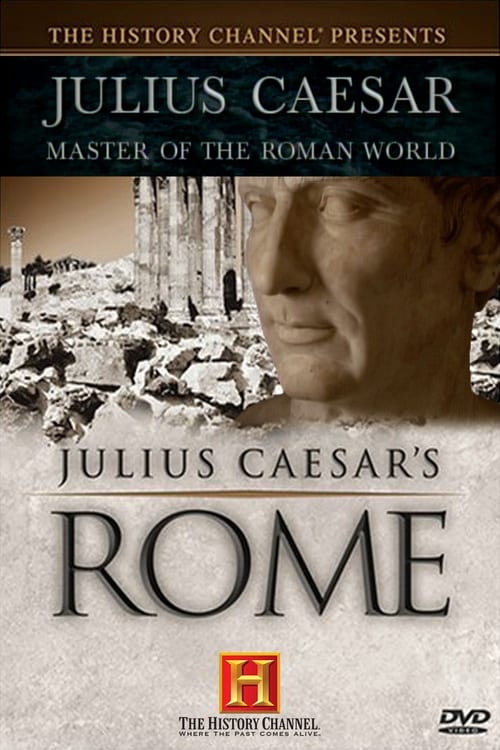
Julius Caesar: Master of the Roman World
1993
No user ratings available yet
Representation score: 2.4 out of 10

Representation Score
Limited
2004
Director
Justin Hardy
Runtime
220 minutes
Average Rating
No ratings yetNew Showbiz Analysis
The documentary serves as a traditional historical account of the Medici dynasty. It prioritizes the mechanics of power, banking, and patronage, which naturally centers on the dominant male-led structures of 15th-century Florence. While the film offers a nuanced look at how wealth fueled the Renaissance, it reinforces established historical hierarchies. The narrative follows a Eurocentric trajectory that emphasizes traditional Western institutions rather than exploring diverse perspectives. Ultimately, the film's scope is limited to the political and economic realities of the period. It functions as a study of institutional ascent rather than a broad exploration of human experience.
Category Breakdown
The film focuses on the historical genealogical and political structures of the Renaissance period. It does not explore any non-straight or non-cisgender identities or same-sex relationships, sticking closely to documented heterosexual marriages of the time.
The narrative reflects the patriarchal hierarchies of 15th-century society. Although women such as Caterina de' Medici are featured, the story mainly centers on male family heads and church leaders, reinforcing traditional gender roles.
The subjects of the film are primarily of European descent, mirroring the demographics of Renaissance Florence. The film maintains a historically homogeneous cast without using diverse casting to challenge the Eurocentric focus of the era.
The documentary portrays the Catholic Church and banking as key drivers of cultural progress. It presents a traditional view of Western institutions without offering a modern critique of these power structures.
The film does not significantly address neurodivergence, physical disabilities, or mental health issues. It prioritizes political and economic history over the lived experiences of individuals with disabilities.
Present on Screen
Limited or Absent
Official Synopsis
From a small Italian community in 15th-century Florence, the Medici family would rise to rule Europe in many ways. Using charm, patronage, skill, duplicity and ruthlessness, they would amass unparalleled wealth and unprecedented power. They would also ignite the most important cultural and artistic revolution in Western history -- the European Renaissance. But the forces of change the Medici helped unleash would one day topple their ordered world.
1993

2012
2019
2003
2018

2013
2021
2021
No reviews yet. Be the first to share your thoughts on this movie!
Use the rating form above to leave a star rating and optional review.