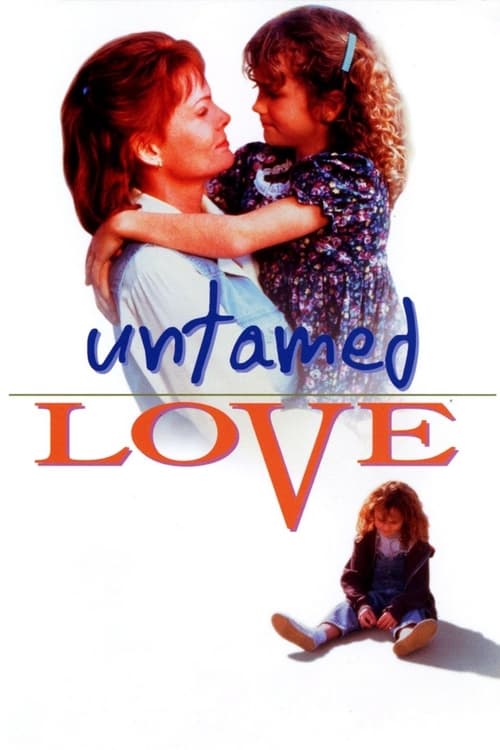
Untamed Love
1994
No user ratings available yet
Representation score: 3.0 out of 10
Representation Score
Fair
2006
TV-14Director
Douglas Barr
Runtime
80 minutes
Average Rating
No ratings yetNew Showbiz Analysis
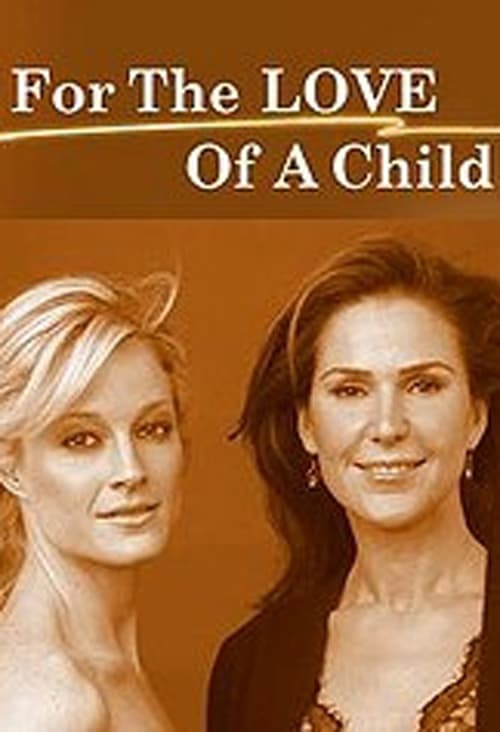
For the Love of a Child explores the history of a major charity through a lens of social responsibility. It excels in depicting the exclusion of mixed-race children in post-war Asia. While the film highlights female leadership and trauma-informed care, it adheres to conventional dramatic formulas. The focus on Western institutions and traditional roles limits its critique of broader systemic issues. Ultimately, it is a period drama that prioritizes historical social issues over progressive narrative subversion, resulting in a moderate diversity profile.
Category Breakdown
The film does not include any LGBTQ+ characters or address non-cisgender identities.
Two actresses play key roles by founding a charity, showcasing strong female influence. However, their roles are traditional, focusing on nurturing and protection.
The story focuses on mixed-race orphans in 1959 Asia, examining their experiences and systemic exclusion.
The film emphasizes Western charitable organizations and structured care, highlighting established institutional frameworks.
It addresses psychological trauma and invisible disabilities through characters like Jacob Fletcher, using animal therapy for mental health recovery.
Present on Screen
Limited or Absent
Official Synopsis
1959, support from US troops based in Asia and later from the Sates enables two actresses to start a charity for mixed-race 'orphans' who are locally neglected as outcasts. Thus originates Childhelp, which later runs multi-disciplinary centers for abused and/or neglected children in the States. Among them is bright Jacob Fletcher, whose stepfather, a lawyer, terrorized him into utter trauma and reclaims him shortly after 10 months in jail. Jacob's peers have distressing stories of their own, but competent, devoted staff helps most of them decisively on the former farm, using animal therapy.
1994

2020

2021

2021
1987
1990
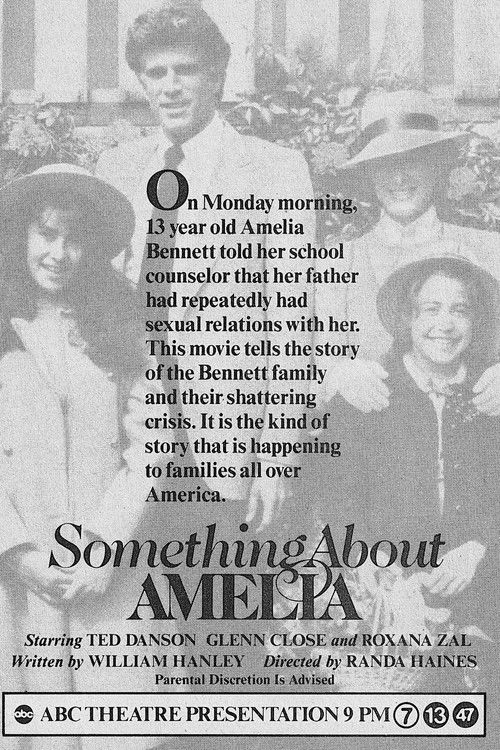
1984

1976
No reviews yet. Be the first to share your thoughts on this movie!
Use the rating form above to leave a star rating and optional review.