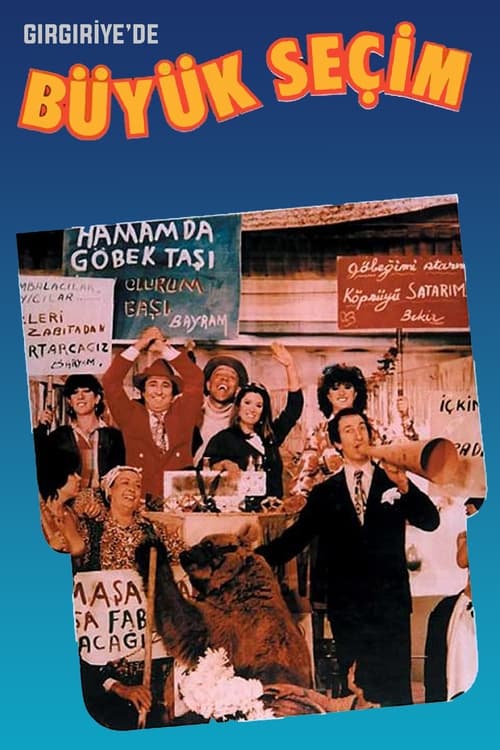
The Big Election in Gırgıriye
1984
No user ratings available yet
Diversity score: 6.3 out of 10
1983
Director
Temel Gürsu
Runtime
91 minutes
Average Rating
No ratings yetSynopsis
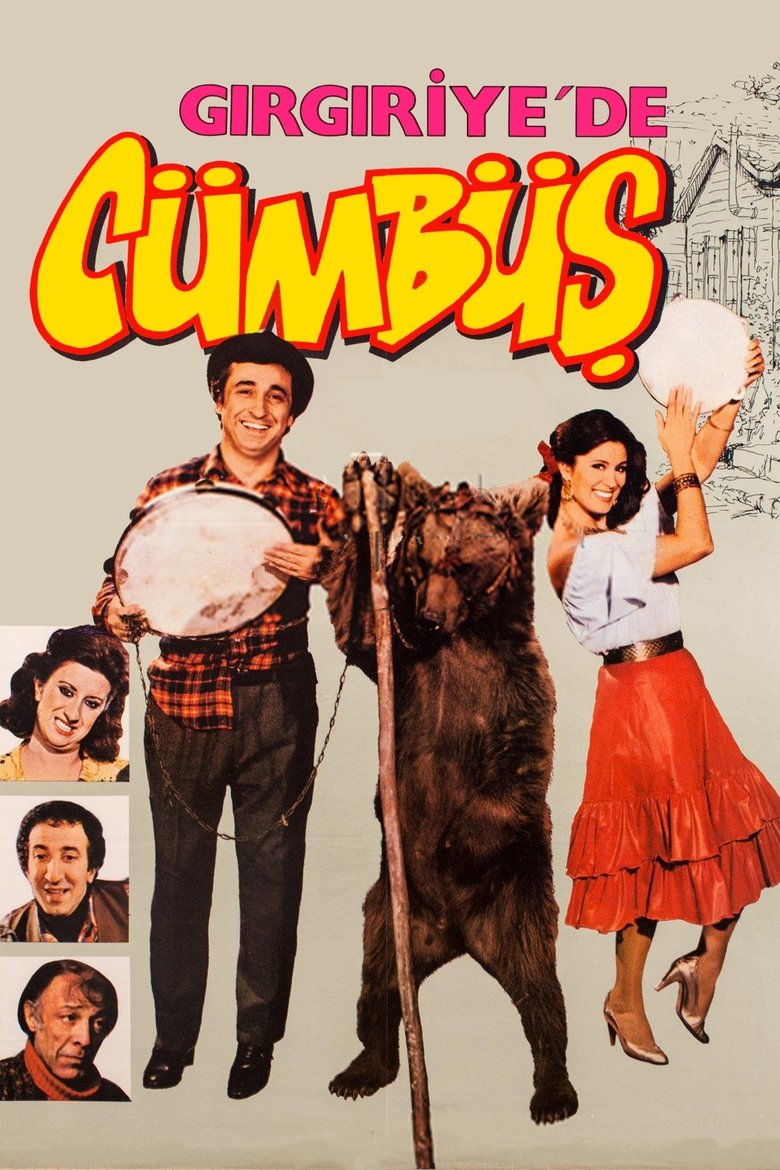
Another story of Gırgıriye Neighbourhood. Güllü, her mother Sabahat, her uncle Bekir, Bayram, her father Emin, her sister Sevim, and her aunt Rabiş. Sabahat has completely lost her mind over money. They pool their earnings in a shared purse, and if anyone takes even three cents from it, she will gouge out their eyes. However, once the drums and flutes start playing, they stop fighting and start dancing... The Gypsy women are very troubled by their husbands... Bayram, Güllü's husband, is useless except for chasing after women, Sabahat's husband Münir is useless except for drinking himself into a stupor in taverns, and Bekir is useless except for gambling away their money. Güllü also has her share of admirers. Especially the boss, Deli Ömer, is deeply infatuated with her. One day, Sabahat loses her temper and kicks Münir, Bayram, Sevim, and Rabiş out of the house.
Overall Score
Fair
Category Breakdown
LGBTQ+ Representation
The film lacks any visible LGBTQ+ characters or narratives addressing non-cisnormative identities. Social dynamics focus on traditional, albeit dysfunctional, marital and romantic pairings.
Gender Representation
Sabahat disrupts patriarchal norms by exerting strict economic and domestic authority over the men. While men are depicted as incompetent, Güllü remains a subject of male infatuation.
Racial & Ethnic Diversity
The inclusion of Gypsy women as central characters provides significant ethnic diversity. The narrative highlights Romani cultural expressions through communal music and dancing.
Religious & Cultural Diversity
The story explores social transgression and moral relativism rather than idealized family structures. It finds harmony in communal celebration despite systemic financial and social instability.
Disability Representation
There is no mention of characters with visible or invisible disabilities within the narrative.
Strengths
Areas for Improvement
AI Analysis
Gırgıriye'de Cümbüş offers a nuanced look at neighborhood life by subverting traditional domestic hierarchies. The film's strength lies in its portrayal of female agency and the inclusion of Romani cultural elements, which add texture to the setting. However, the film remains limited by a lack of LGBTQ+ and disability representation. The gender dynamics, while disruptive to patriarchy, still lean on traditional tropes regarding female desirability. Ultimately, the film succeeds in presenting a non-sanitized version of family life, favoring character-driven chaos over idealized social stability.
1984
1981
1986
1980

2017

2015
2013
1978
1976

2010
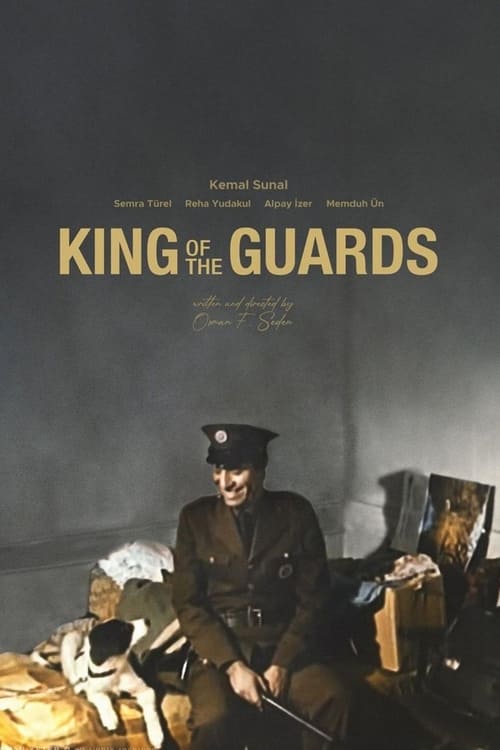
1979

1984
No reviews yet. Be the first to share your thoughts on this movie!
Use the rating form above to leave a star rating and optional review.