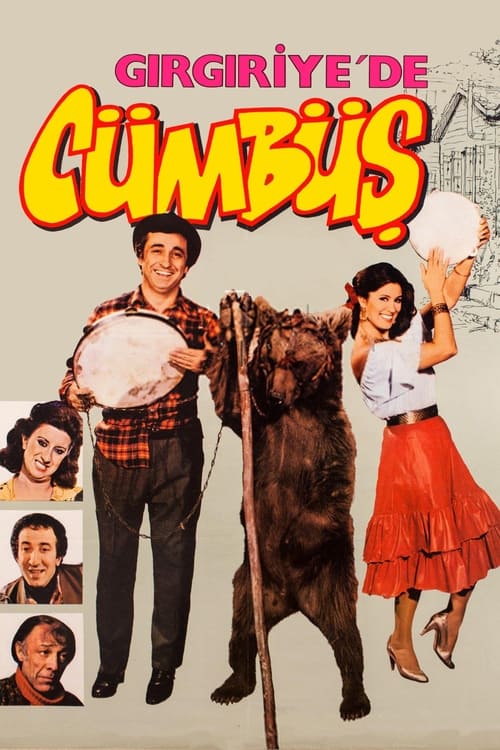
Festivity in Gırgıriye
1983
No user ratings available yet
Representation score: 4.8 out of 10
Representation Score
Fair
1984
Director
Temel Gürsu
Average Rating
No ratings yetNew Showbiz Analysis
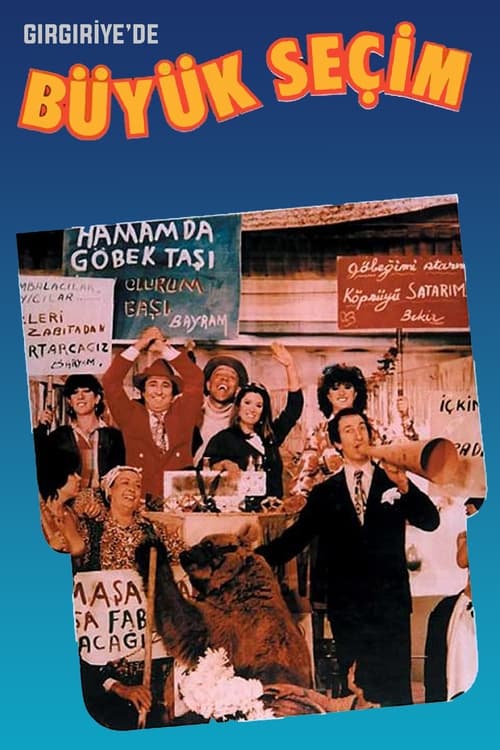
Gırgıriye'de Büyük Seçim centers a underrepresented ethnic community, specifically the Roma people of Sulukule. By focusing on their internal governance and cultural rhythms, the film highlights their ability to act within their own ecosystem. The narrative also challenges traditional gender roles. Instead of following a male-dominated leadership model, the plot is driven by the ability to act of a female matriarch, Sabahat, who navigates the community's survival through strategic decision-making. However, the film lacks diversity in other areas. There is no visible representation of LGBTQ+ identities or characters with disabilities, leaving those demographic perspectives entirely unaddressed.
Category Breakdown
The film does not include any explicit LGBTQ+ characters or non-straight relationships. Instead, it focuses on traditional family structures and community leadership.
Sabahat and Güllü challenge traditional gender roles by being the main drivers of social and economic changes. Female decision-making shapes the central conflicts and resolutions in the Sulukule quarter.
The story significantly represents the Roma community, a historically underrepresented group. It centers on a distinct ethnic enclave with its own internal governance and social complexities.
The film portrays democratic processes through a lens of localized chaos, often at odds with formal state authority. It prioritizes the survival of a underrepresented community over strict legalistic order.
There are no visible or invisible disabilities portrayed in the narrative. No information is available regarding representation in this category.
Present on Screen
Limited or Absent
Official Synopsis
In the historic Roma quarter of Sulukule, its colorful residents, led by matriarch Sabahat, her niece Güllü, and rival chieftain candidates Uncle Bekir and family friend Bayram, face their first ever democratic election for “çeribaşı,” erupting into drunken brawls and police interventions. When desperate for funds Sabahat forces Güllü to perform at drug-smuggler Tayfur’s nightclub, a suitcase mix-up reveals hidden cash that spares Bayram from suicide and upends the entire community’s fortunes.
1983

1977

2024

1978

2010
1981

2019

2012
No reviews yet. Be the first to share your thoughts on this movie!
Use the rating form above to leave a star rating and optional review.