
Naughty Grandma
2017
No user ratings available yet
Representation score: 4.1 out of 10
Representation Score
Limited
2017
Director
Masafumi Nishida
Runtime
114 minutes
Average Rating
No ratings yetNew Showbiz Analysis
The film operates as a traditional character-driven comedy, prioritizing situational irony and personal stakes over social critique. The narrative structure follows established genre conventions rather than attempting to disrupt social hierarchies or explore multiple aspects of identity. Representation remains largely within conventional bounds, focusing on a single protagonist's struggle for survival and avoiding broader engagement with diverse social perspectives.
Category Breakdown
The story focuses on a heterosexual relationship between Hajime Onuki and his girlfriend, relying on conventional romantic clichés without exploring non-binary or LGBTQ+ identities.
The plot is driven by the male protagonist's struggle with his criminal past. A female character provides domestic stability, but the narrative does not challenge traditional gender roles or masculine leadership.
The film depicts a homogeneous Japanese demographic consistent with its setting. It lacks multicultural casting or a push toward multi-ethnic representation.
The narrative centers on personal redemption and individual ability to act. It avoids systemic critiques of institutions or the deconstruction of societal power dynamics.
The film provides no evidence of characters with visible or invisible disabilities.
Present on Screen
Limited or Absent
Official Synopsis
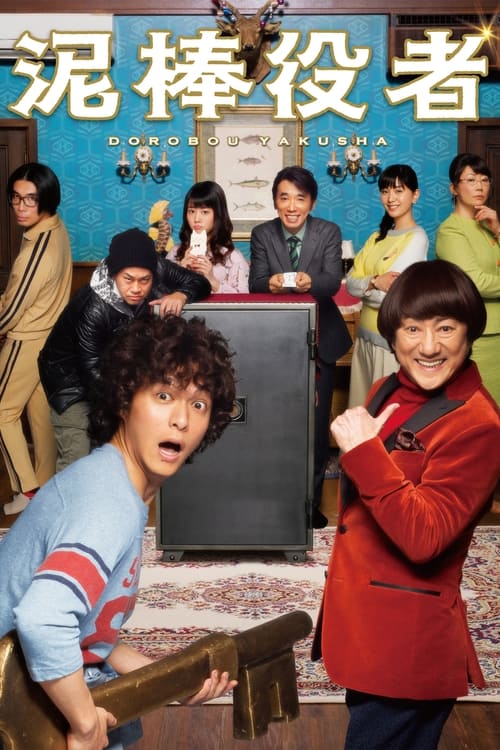
Hajime Onuki (Ryuhei Maruyama) was a thief, but he now works as a welder and lives happily with his girlfriend. Hajime Onuki is threatened by a former partner in crime. He forces Hajime Onuki to break into the mansion of a picture book writer to steal. He is caught by others while in the act, but they keep mistaking him for someone else. Hajime desperately keeps up the ruse to not get caught.
2017

2012
2011
1971

1959

2006
1997

2010
No reviews yet. Be the first to share your thoughts on this movie!
Use the rating form above to leave a star rating and optional review.