Redhead
1941
No user ratings available yet
Representation score: 1.0 out of 10
Representation Score
Minimal
1937
NRDirector
Richard Thorpe
Runtime
71 minutes
Average Rating
No ratings yetNew Showbiz Analysis
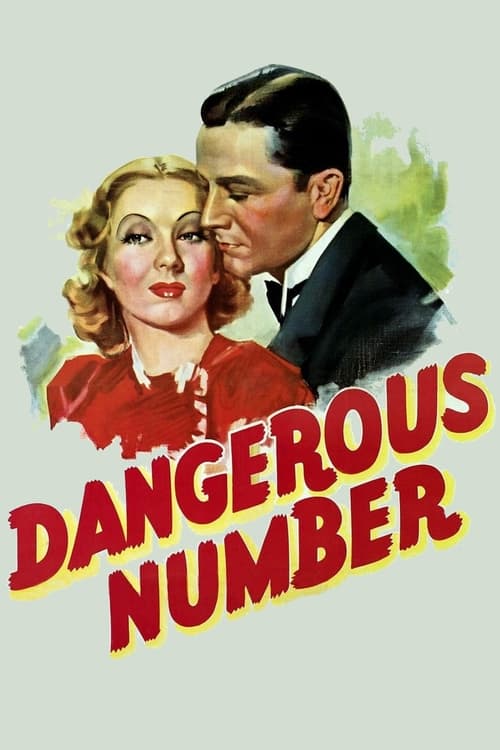
Dangerous Number is a product of the 1930s studio system, adhering strictly to the era's traditional cinematic standards. The plot follows a standard screwball comedy structure centered on a male protagonist's romantic whims and subsequent marital complications. The film offers minimal disruption to established social hierarchies. It prioritizes conventional romantic clichés and lacks significant representation of diverse identities, focusing instead on a narrow, straight-centered view of courtship and social interaction. Ultimately, the film serves as a reflection of its time, emphasizing individualistic romance and traditional gender dynamics rather than providing any meaningful multi-layered or systemic critique.
Category Breakdown
The film centers on heterosexual relationships and marital issues. It does not include any non-binary or transgender characters or critiques of the assumption that everyone is straight or cisgender.
Eleanor Breen shows some initiative through a clever plan to seek revenge humorously. However, the story mainly revolves around male impulses and female responses.
The film seems to follow the homogeneous casting practices typical of the 1930s. There is no indication of a predominantly non-white cast.
The story emphasizes individualistic romantic pursuits and traditional social structures like marriage. It adheres to the conventional moral framework of early Hollywood romantic comedies.
There are no visible or invisible disabilities depicted or central to the character arcs in this narrative.
Present on Screen
Limited or Absent
Official Synopsis
Hank Medhill, artificial silk manufacturer, has returned to the U.S. from Japan to learn that his former girlfriend, Eleanor Breen is about to marry. Hank convinces Eleanor to leave the groom-to-be and marry him. Shortly after the marriage, they discover that they have nothing in common. They separate. Hank decides to pick any name from the phone book and date them. That date results in a wild and frightful night for Hank, thanks to Eleanor's clever plan.
1941
1948
1941
1938
1938

1942

1937

1934
No reviews yet. Be the first to share your thoughts on this movie!
Use the rating form above to leave a star rating and optional review.