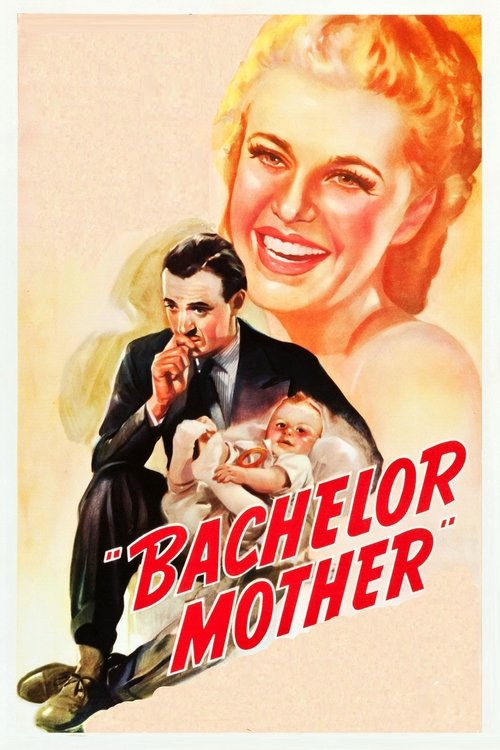
Bachelor Mother
1939
No user ratings available yet
Representation score: 2.5 out of 10

Representation Score
Minimal
1937
ApprovedDirector
William A. Seiter
Runtime
77 minutes
Average Rating
No ratings yetNew Showbiz Analysis
The Life of the Party is a classic example of 1930s studio cinema, designed for escapism rather than social critique. It reinforces the existing hierarchies of its time through a conventional musical comedy framework. The film lacks any meaningful representation of underrepresented groups, adhering to the homogeneous standards of 1937 Hollywood. Its narrative structure prioritizes romantic resolution and social cohesion over identity-driven storytelling. Ultimately, the work reflects the era's social norms, presenting a singular, Westernized, and straight-centered worldview without challenging established power dynamics.
Category Breakdown
The film follows a strictly heterosexual romantic storyline, focusing on traditional courtship models without including any non-binary gender identities.
The female lead has some influence in choosing a partner, but her motivations are tied to social status. The film relies on typical gender roles and misunderstandings in romance.
The cast and setting are predominantly white and upper-class, lacking any intentional racial diversity or ethnic backgrounds.
The story celebrates high-society traditions and emphasizes the stability of the family unit and social hierarchy.
There are no characters with visible or invisible disabilities, and the focus remains on romantic and musical elements.
Present on Screen
Limited or Absent
Official Synopsis
A singer finds another heir (Gene Raymond) to marry, to avoid the one (Joe Penner) her mother found.
1939
1938
1927
1937
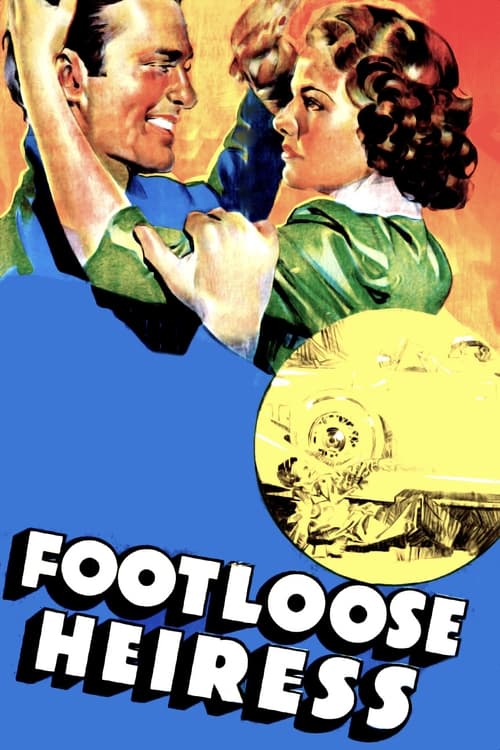
1937

1938
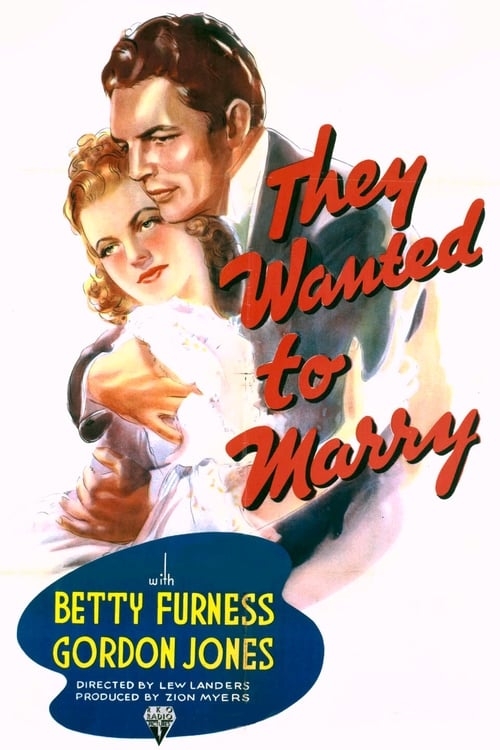
1937
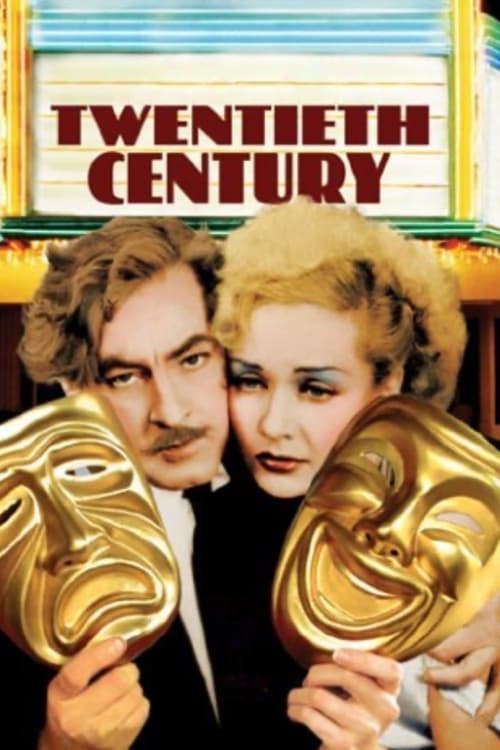
1934
No reviews yet. Be the first to share your thoughts on this movie!
Use the rating form above to leave a star rating and optional review.