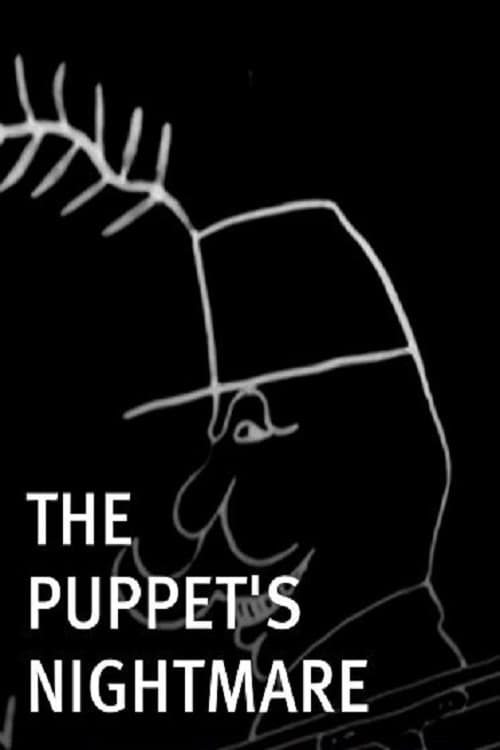
The Puppet's Nightmare
1908
No user ratings available yet
Representation score: 0.6 out of 10
No Poster Available
Representation Score
Fair
1911
Director
Émile Cohl
Runtime
6 minutes
Average Rating
No ratings yetNew Showbiz Analysis
Émile Cohl’s 1911 animation is a foundational work of surrealism that prioritizes the subversion of physical form over social representation. The film’s focus on the internal, chaotic landscape of the human brain results in a lack of identifiable human identities. While the work challenges visual norms through metamorphic imagery, it remains rooted in the limitations of its era. The absence of diverse characterization is a byproduct of the medium’s early focus on abstraction rather than social realism. Ultimately, the film functions as a proto-surrealist critique of psychological stability. It explores the irrational mind through symbolic, grotesque figures rather than through the lens of social politics.
Category Breakdown
The film does not depict LGBTQ+ identities or same-sex relationships. Instead, it focuses on internal psychological landscapes through surreal imagery.
The story revolves around a doctor and a patient, adhering to traditional gender roles. There is no subversion of gender norms or non-traditional roles.
The film's abstract, metamorphic animation style makes specific racial or ethnic identities hard to identify. The focus is on grotesque, non-humanoid figures rather than diverse human characters.
The film explores subjective morality by depicting the brain as a collection of grotesque figures. This challenges the era's ideal of a rational, cohesive self.
Themes of neurological repair touch upon cognitive differences. However, mental instability is used as a metaphor for chaos rather than a nuanced depiction of lived experiences.
Present on Screen
Limited or Absent
Official Synopsis
Depicts a doctor looking into his patient's brain and seeing a collection of hideous and grotesque figures.
1908

1910
1909

1901
1908
1908
1909
1898
No reviews yet. Be the first to share your thoughts on this movie!
Use the rating form above to leave a star rating and optional review.