
Welcome to Me
2015
No user ratings available yet
Representation score: 7.6 out of 10
Representation Score
Fair
2000
RDirector
Neil LaBute
Runtime
108 minutes
Average Rating
No ratings yetNew Showbiz Analysis
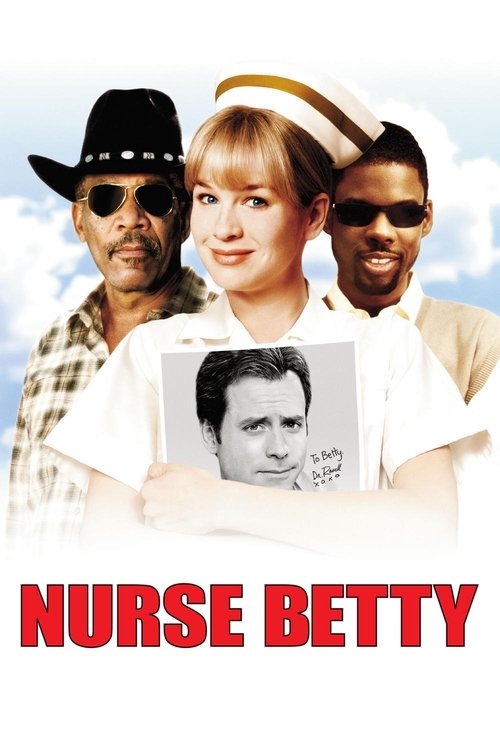
Nurse Betty is a psychological study that prioritizes character deconstruction over demographic variety. It succeeds in challenging traditional gender power dynamics and moral frameworks through its postmodern lens. However, the film lacks breadth in its representation of race and sexual orientation. The setting remains a largely undifferentiated white experience, and the narrative stays within traditional gender boundaries. Ultimately, the film's strength lies in its intellectual complexity rather than its inclusivity. It trades demographic diversity for a deep, albeit narrow, exploration of fractured human identities.
Category Breakdown
The film does not include any LGBTQ+ characters or explore non-traditional gender identities. The story focuses solely on heterosexual relationships and the male perspective.
The story critiques how women are treated as objects in male-dominated narratives and highlights the protagonist's psychological breakdown. It avoids traditional hierarchies by focusing on the protagonist's fragmented psyche.
Set in the 1970s, the cast is predominantly white and reflects a homogeneous social environment. There is a notable lack of depth regarding race or ethnicity.
The film presents truth as a subjective construct influenced by trauma, deconstructing cohesive social realities in favor of situational ethics.
Mental health and neurodivergence are explored through the protagonist's fugue state. These elements primarily serve as devices to explore obsession and are central to the plot.
Present on Screen
Limited or Absent
Official Synopsis
What happens when a person decides that life is merely a state of mind? If you're Betty, a small-town waitress and soap opera fan from Fair Oaks, Kansas, you refuse to believe that you can't be with the love of your life just because he doesn't really exist. After all, life is no excuse for not living. Traumatized by a savage event, Betty enters into a fugue state that allows -- even encourages -- her to keep functioning... in a kind of alternate reality.
2015
2005
2001

1994

1999
1985

2007

2008
No reviews yet. Be the first to share your thoughts on this movie!
Use the rating form above to leave a star rating and optional review.