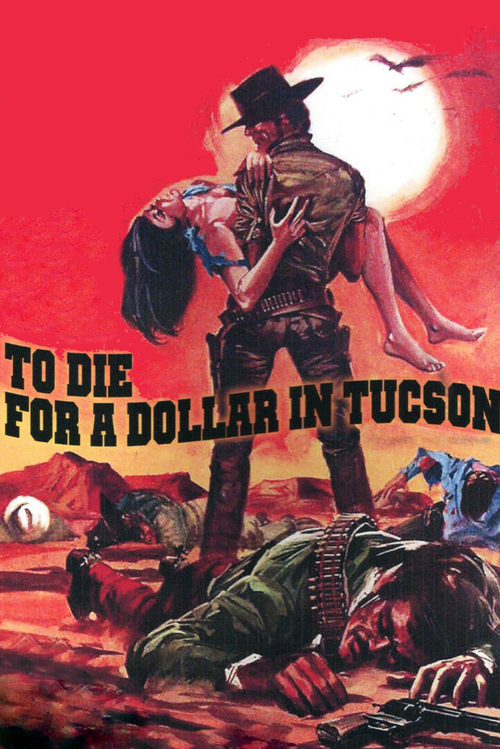
Die for a Dollar in Tucson
1965
No user ratings available yet
Representation score: 1.6 out of 10
Representation Score
Limited
1968
Director
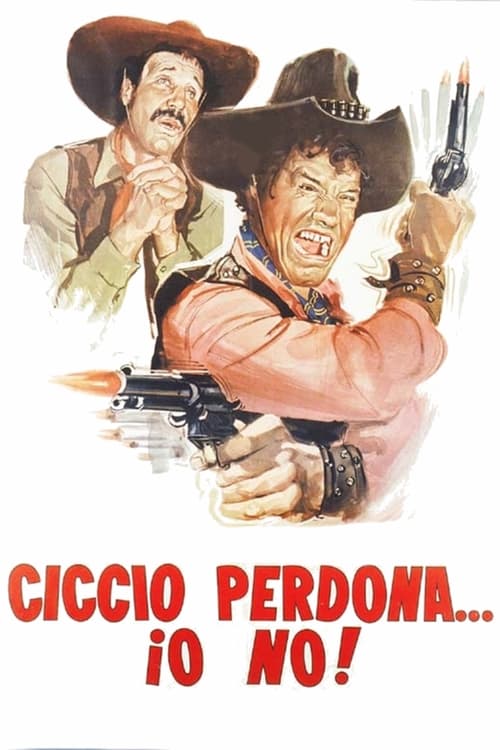
Marcello Ciorciolini
Runtime
94 minutes
Average Rating
No ratings yetNew Showbiz Analysis
Ciccio Forgives, I Don't is a conventional genre piece that adheres to the comedic structures of 1960s Italian cinema. It prioritizes escapism and established clichés over social commentary or multi-layered representation. The film's strongest element of representation is its slight shift in gender roles. By making the female characters the competent protectors of the bumbling male leads, it moves away from the standard damsel-in-distress cliché. However, the work lacks intentionality in addressing broader systemic hierarchies. It remains a product of its time, reflecting the standard casting and narrative structures of the Spaghetti Western era.
Category Breakdown
The film follows traditional romantic and social clichés common in Spaghetti Western comedies. It does not include any LGBTQ+ characters or narratives to question the assumption that everyone is straight or cisgender.
Two skilled female saloon workers provide a modest challenge to male dominance by rescuing the bumbling male heroes. However, they remain tied to the established genre archetypes.
The film seems to rely on the standard Western clichés of the era. There is no indication of casting actors from diverse backgrounds or efforts to challenge historical norms through a varied cast.
The narrative centers on material pursuits like gold and banditry, avoiding social critique. It serves as a typical escapist comedy without deconstructing traditional structures.
There is no mention of characters with visible or invisible disabilities in the film's narrative.
Present on Screen
Limited or Absent
Official Synopsis
Franco and Ciccio are small time horse thieves who get involved with the bandit, El Diablo, and two former members of his gang who are after his gold. Fortunately two pretty, sharp shooting saloon girls come to the bumbling duo's rescue.
1965
1971
1968
1968

1971
1969

1972
1975
No reviews yet. Be the first to share your thoughts on this movie!
Use the rating form above to leave a star rating and optional review.