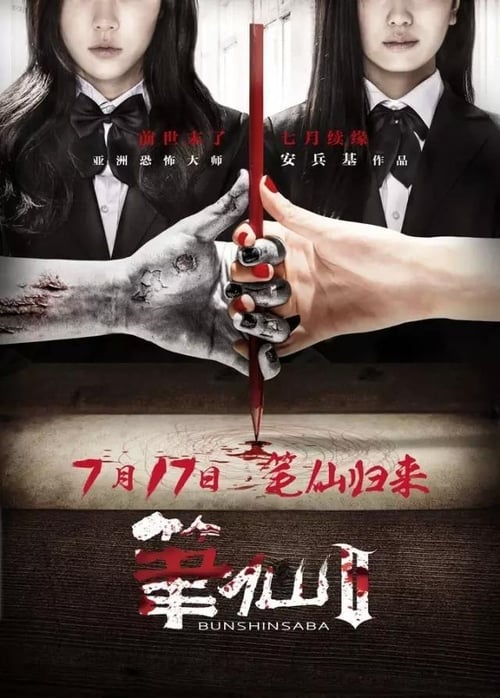
Bunshinsaba 2
2013
No user ratings available yet
Representation score: 4.7 out of 10
Representation Score
Fair
2000
RDirector
Ahn Byeong-ki
Runtime
97 minutes
Average Rating
No ratings yetNew Showbiz Analysis
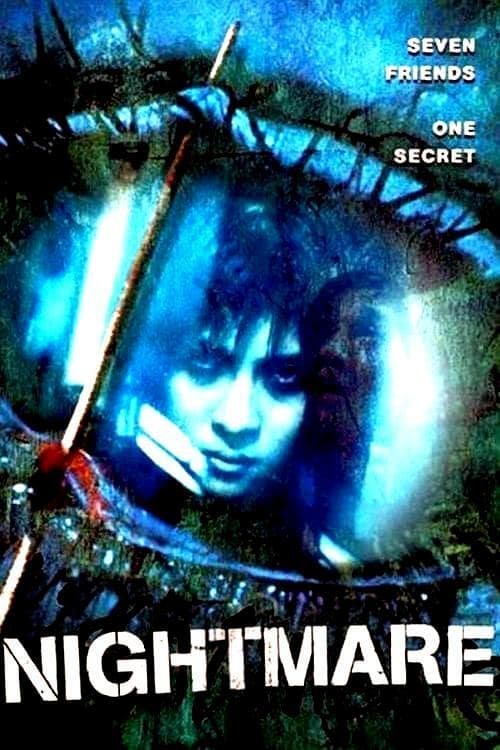
Nightmare centers female perspectives within the horror genre, moving away from traditional male-driven narratives to emphasize the emotional consequences of female-driven conflict. The plot hinges on the psychological toll of social rejection and personal trauma. However, the film does not address broader multi-layered issues. While it offers a culturally specific East Asian context, it does not explore deeper critiques of ethnic hierarchies or systemic social structures. Overall, the film emphasizes localized interpersonal tensions over broader ideological challenges or diverse representation across various identity markers.
Category Breakdown
The film focuses on a close friendship between two women, Hye-jin and Eun-ju. Their strong emotional connection is crucial to the story, but there is no indication of a romantic relationship or non-straight identities.
The story is driven by the actions and decisions of women, highlighting the psychological impact of their conflicts. This shifts the focus away from typical male-dominated horror narratives.
The film features a predominantly East Asian cast, reflecting a culturally specific narrative rather than a blend of diverse racial backgrounds.
The storyline examines the harmful effects of interpersonal relationships and societal pressures. However, it does not delve into broader critiques of religion, capitalism, or wider socio-political structures.
There is no depiction of visible or invisible disabilities, neurodivergence, or chronic illnesses in the story. No representation in this area is present.
Present on Screen
Limited or Absent
Official Synopsis
Hye-jin's homecoming should have been a joyous occasion. She was especially happy to see her childhood friend again, the shy Eun-ju. However, when a secret is revealed, harsh words are exchanged. These words deeply affect Eun-ju and,in the next scene, we see her plummeting from a 30-story building. In a flashback provided by Seon-ae, we learn that the ghost of Eun-ju is hunting down all of Hye-jin's friends and killing them. Is this possible or is a more worldly force at work? What is this mysterious tape that everyone is asking about?
2013
2003
2006
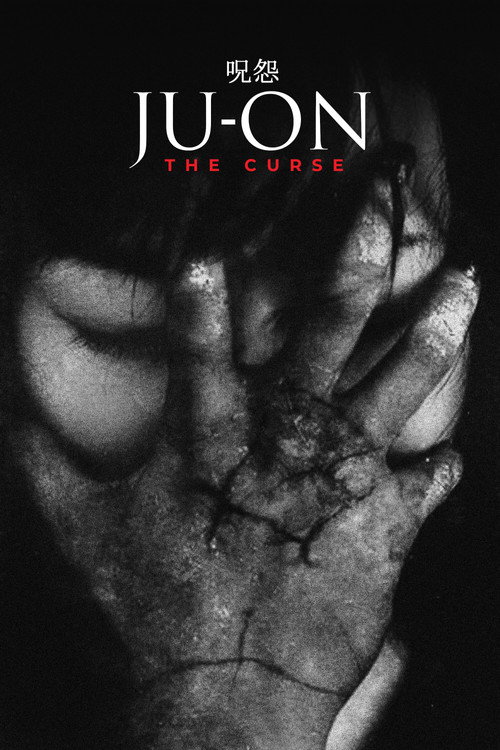
2000
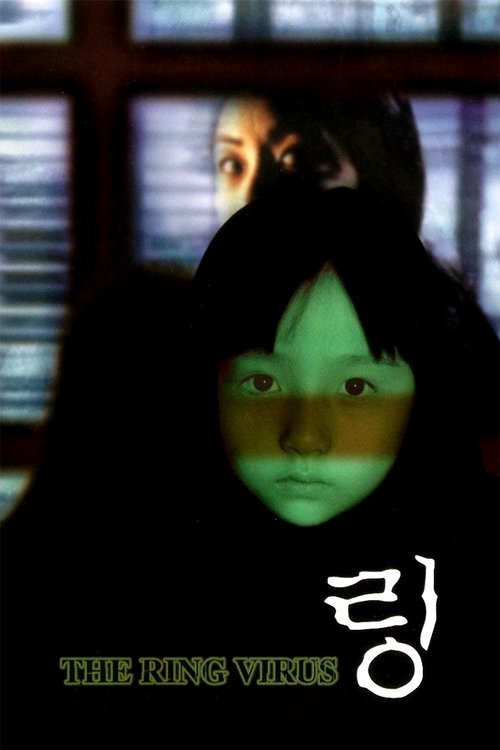
1999
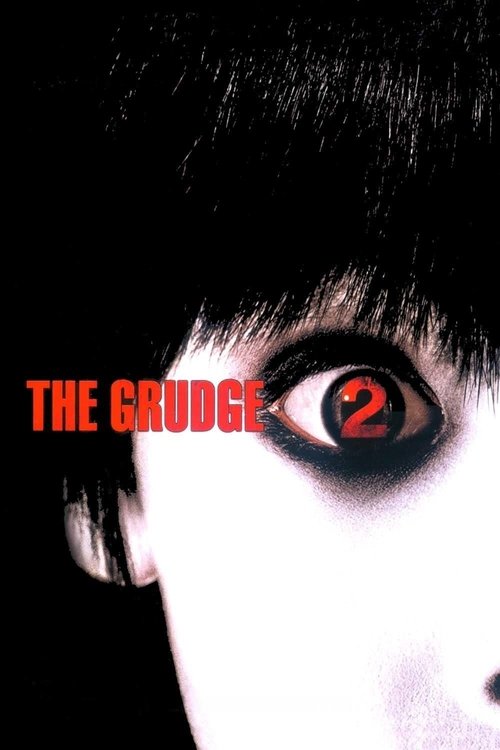
2006
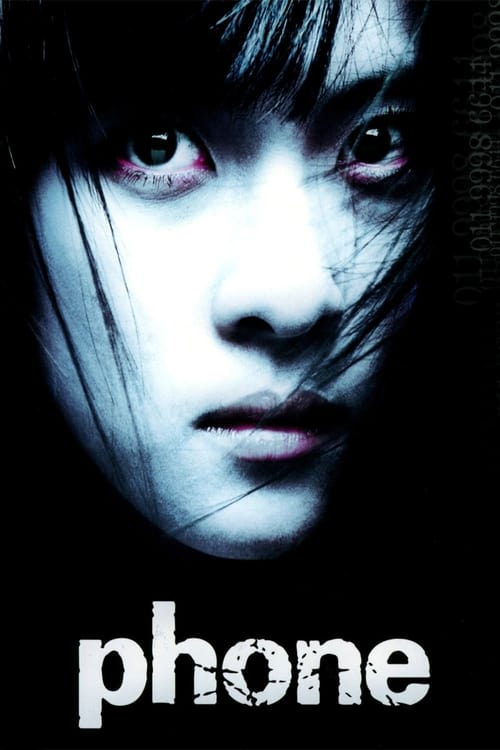
2002
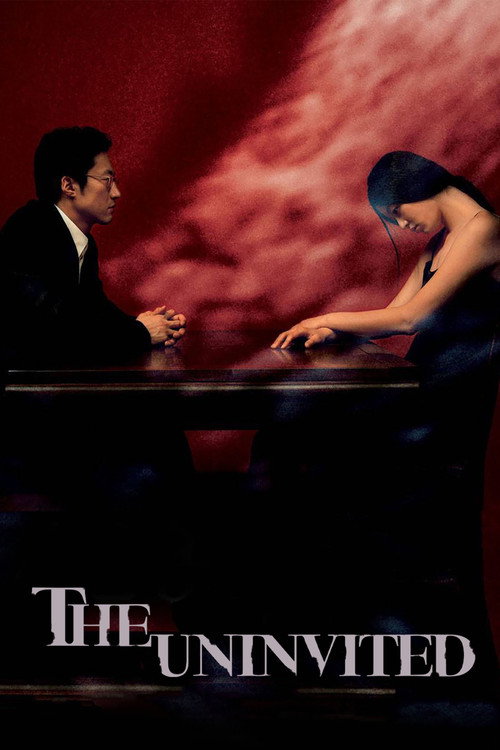
2003
No reviews yet. Be the first to share your thoughts on this movie!
Use the rating form above to leave a star rating and optional review.