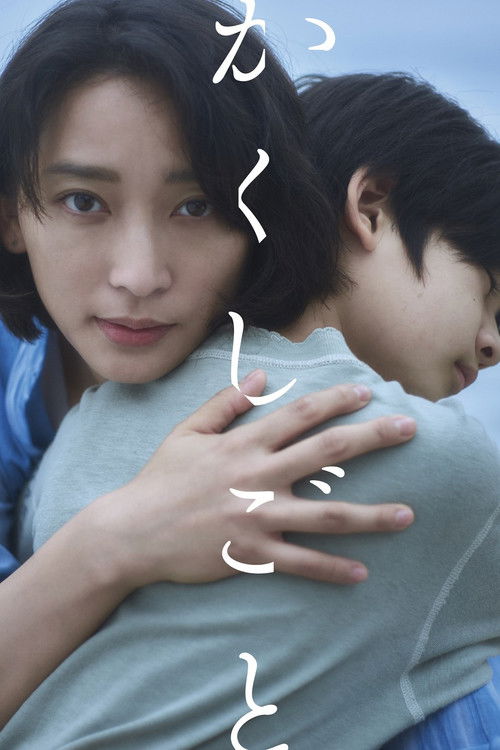
Stay Mum
2024
No user ratings available yet
Representation score: 8.0 out of 10

Representation Score
Fair
2019
Director
Nanako Hirose
Runtime
113 minutes
Average Rating
No ratings yetNew Showbiz Analysis
His Lost Name is a thoughtful character study that challenges traditional domesticity. By focusing on a widower and a homeless man, the film explores how kinship can be formed through shared vulnerability rather than blood relations. The film’s strength lies in its psychological depth and its exploration of fluid identities. It validates the presence of the displaced within the domestic sphere, offering a nuanced view of social instability. However, the film remains limited by its lack of diverse racial or sexual identities.
Category Breakdown
The film doesn't include explicit LGBTQ+ characters or non-straight relationships. Instead, it focuses on a strong, platonic relationship between two main male characters.
Tetsuro breaks down traditional male hierarchies by embracing a nurturing, caring role that emphasizes empathy over strict authority.
The setting is culturally uniform and Japanese, lacking a blend of ethnicities or intentional diversity among the cast.
The story examines social isolation and the outsider status of those who have been displaced. It challenges social institutions by highlighting personal experiences over established beliefs.
Shinichi’s amnesia and identity confusion serve as a metaphor for cognitive and social instability. The film avoids using his fragmented state merely as a plot device.
Present on Screen
Limited or Absent
Official Synopsis
Middle-aged widower Tetsuro finds an unconscious, homeless young man on the riverbank in his small seaside town. Offering him room in his home, Tetsuro and the man who calls himself Shinichi develop a father-son dynamic, despite the secrets that linger between them.
2024

2018

2020

2017

2001

2018

2023
2004
No reviews yet. Be the first to share your thoughts on this movie!
Use the rating form above to leave a star rating and optional review.