One Rat Short
2006
No user ratings available yet
Diversity score: 1.5 out of 10
2011
Director
Neil Boyle
Runtime
20 minutes
Average Rating
No ratings yetSynopsis
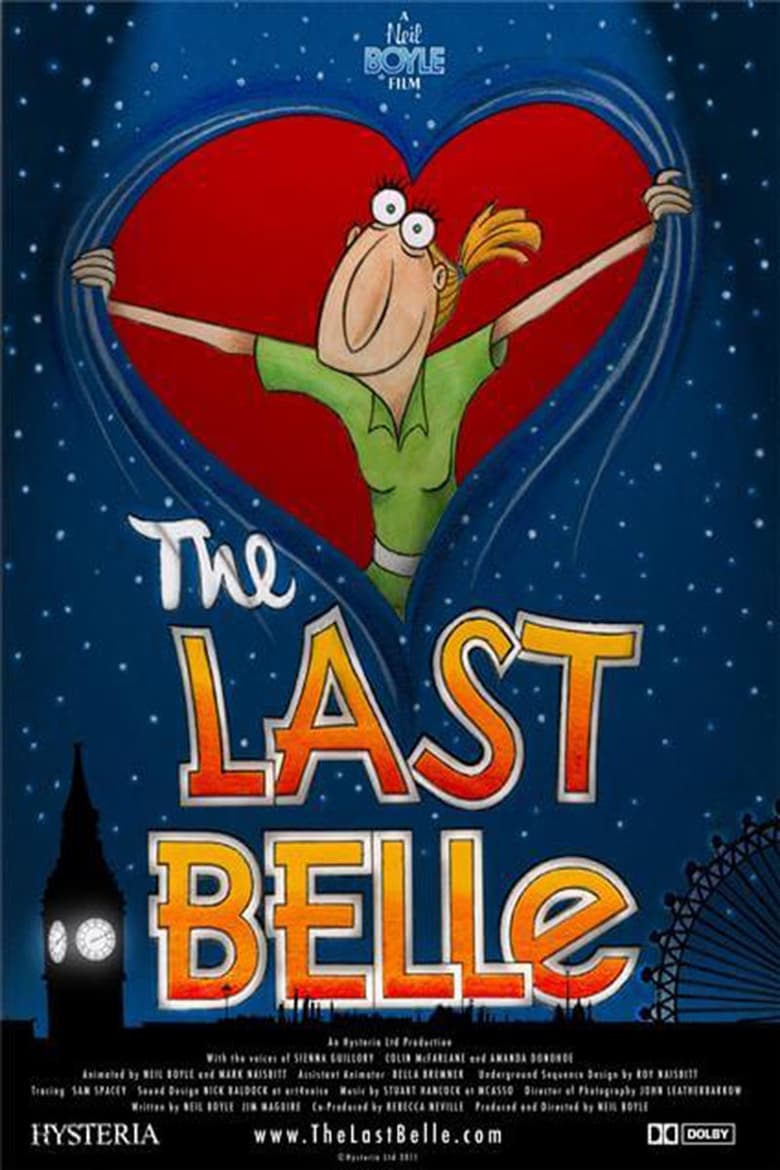
The Last Belle is an animated short featuring two characters journeying towards a blind date: WALLY, who suffers a nightmarish drunken trip through London as he races against the clock to the rendezvous; and ROSIE, who waits in a bar dreaming of how wonderful her date is going to be...if he ever turns up.
Overall Score
Minimal
Category Breakdown
LGBTQ+ Representation
The film focuses on a traditional romantic pursuit between Wally and Rosie. There is no evidence of non-heteronormative identities or same-sex intimacy.
Gender Representation
The story offers a dual perspective between the male and female protagonists. However, it follows a traditional division where the man acts and the woman waits.
Racial & Ethnic Diversity
The narrative lacks specific details regarding the racial or ethnic identities of the characters. The London setting provides little information on character backgrounds.
Religious & Cultural Diversity
The film operates within a conventional Western framework centered on a blind date. It lacks systemic critiques or diverse cultural explorations.
Disability Representation
No characters are depicted with visible or invisible disabilities. Wally's drunken journey is a temporary state rather than a permanent condition.
Strengths
Areas for Improvement
AI Analysis
The film relies heavily on established romantic tropes and conventional cinematic structures. The narrative follows a predictable trajectory of a male lead navigating obstacles to reach a female counterpart. While the animation provides agency to both characters through their respective perspectives, the social dynamics remain traditional. The story lacks engagement with diverse identities, systemic critiques, or non-heteronormative themes. Ultimately, the work functions as a standard urban romance without attempting to disrupt social hierarchies or explore complex identity-based narratives.
2006
2016
1954
2008
1922
1984
1997

2011
1935

1998
1953
2010
No reviews yet. Be the first to share your thoughts on this movie!
Use the rating form above to leave a star rating and optional review.