
Spring Break Lawyer
2001
No user ratings available yet
Representation score: 4.3 out of 10
Representation Score
Limited
1990
PGDirector
Michael Schultz
Runtime
94 minutes
Average Rating
No ratings yetNew Showbiz Analysis
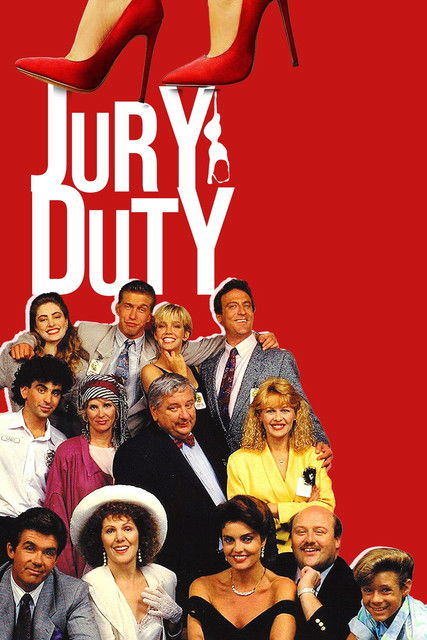
Jury Duty: The Comedy operates as a mid-range social comedy that relies heavily on well-known character types. While the ensemble cast creates narrative tension through various socioeconomic backgrounds, the film leans into comedic clichés rather than deep identity exploration. The production uses a diverse cast of jurors to drive the plot, yet the characterizations often fall into predictable patterns. The focus remains on the sensationalism of a criminal trial and the sudden celebrity status of the protagonist. Ultimately, the film presents a broad social spectrum without significantly challenging systemic hierarchies or multi-layered issues.
Category Breakdown
The film does not include explicit LGBTQ+ characters or non-straight relationships. The story centers around the protagonist's romantic pursuits, indicating a traditional focus on heterosexual relationships.
Female characters frequently play stereotypical roles, such as high-priced call girls or voluptuous witnesses. However, the ex-hippie character Abby offers a chance to explore ability to act outside typical domestic roles.
The film includes a mix of jurors representing different social backgrounds, but specific racial identifiers are not detailed. The aim is to show social variety without delving deeply into multi-layered issues.
The story highlights conflicts between different social classes and lifestyles. It uses sensationalism and media attention to emphasize the volatility of social institutions and class tensions.
There are no visible or invisible disabilities depicted or mentioned in the character descriptions.
Present on Screen
Limited or Absent
Official Synopsis
Mild and meek accountant Sanford Lagelfost has been charged with embezzling $3 million dollars from Trout Industries. A decidedly mixed bag of jurors are chosen to serve on the case, including Eddie, a waiter; Rita, a high-priced call girl; Phil, a high-powered businessman; and Abby, a rabble rousing ex-hippie. When the star witness, the voluptuous Hope Hathaway, takes the stand, she startles everyone with her stories of Sanford's Lothario-esque conquests. Suddenly, the unassuming Sanford is a celebrity heartthrob and he finds himself in headlines and gossip columns across the country. Due to the case's growing notoriety, the judge sequesters the jury. And things start to get wild...
2001

1987
1995

1990
1990
1989

1991
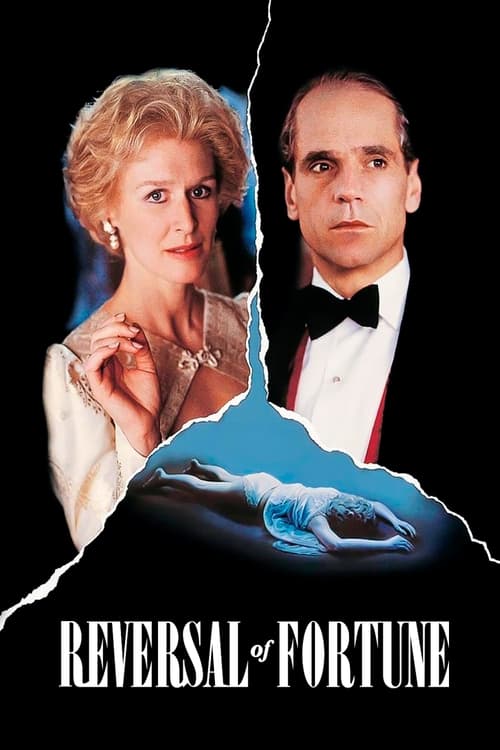
1990
No reviews yet. Be the first to share your thoughts on this movie!
Use the rating form above to leave a star rating and optional review.