
Novocaine
2001
No user ratings available yet
Representation score: 2.0 out of 10
Representation Score
Fair
1989
PG-13Director
Howard Zieff
Runtime
113 minutes
Average Rating
No ratings yetNew Showbiz Analysis
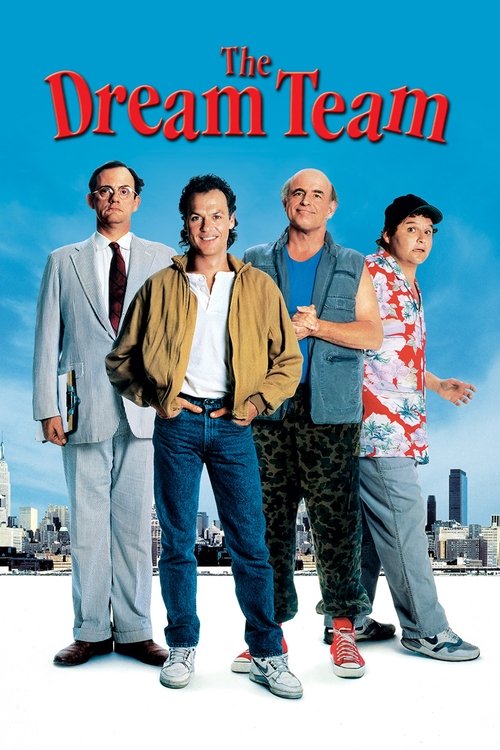
The Dream Team operates primarily as a genre-driven comedy-thriller typical of the late 1980s. Its most notable feature is the decision to center the narrative on neurodivergent protagonists. By making mental health patients the active heroes tasked with saving a chaperone, the film provides them with a level of ability to act rarely seen in standard supporting roles. However, the film does not intentionally address broader social or systemic hierarchies. Character dynamics are heavily male-dominated, and the narrative relies on conventional storytelling clichés. While the setting offers potential for urban diversity, the film does not explicitly utilize racial or cultural representation as a core element of its architecture.
Category Breakdown
The film does not include explicit LGBTQ+ characters or narratives. The plot revolves around a crime-thriller scenario focused on survival rather than exploring identity issues.
The story centers on a male-dominated group of four patients and a male chaperone. Female characters do not play a significant role or challenge traditional hierarchies.
Set in New York City, the film does not confirm a diverse or predominantly non-white cast. Racial representation seems incidental to the plot rather than a central design element.
The story follows a traditional heroic structure focused on protecting a victim. It adheres to conventional morality rather than exploring moral relativism or anti-capitalist themes.
The film centers on protagonists with mental health conditions, giving them a significant role in driving the plot. This shifts them from passive characters to active participants.
Present on Screen
Limited or Absent
Official Synopsis
Four mental patients on a field trip in New York City must save their caring chaperone, who ends up being taken to a hospital in a coma after accidentally witnessing a murder, before the killers can find him and finish the job.
2001
1984
1996

1982
1999

1990

1996
1990
No reviews yet. Be the first to share your thoughts on this movie!
Use the rating form above to leave a star rating and optional review.