
The Stranger Beside Me
2003
No user ratings available yet
Representation score: 3.4 out of 10
Representation Score
Minimal
2007
Director
Tony Tilse
Runtime
94 minutes
Average Rating
No ratings yetNew Showbiz Analysis
This true-crime drama emphasizes historical accuracy and the psychological impact of a specific trauma over diverse representation. It successfully portrays a female protagonist's resilience against institutional skepticism, offering a nuanced look at a survivor's journey. However, the film's demographic focus is narrow, featuring a homogeneous cast and lacking representation for LGBTQ+ individuals and people with disabilities. It remains a conventional genre piece rather than a progressive social critique. Ultimately, the film serves as a character study of survival within a specific historical context, but it falls short in terms of broader diversity.
Category Breakdown
The film does not include any LGBTQ+ characters or narratives. The main relationship is strictly heterosexual.
The story focuses on a female protagonist's resilience and active role. However, it still adheres to traditional clichés of female vulnerability in thrillers.
The production features a predominantly white cast, reflecting the specific racial demographics of the real-life events.
The narrative criticizes the shortcomings of Western media and legal systems, showing how public perception and investigative errors can lead to systemic failures.
There are no depictions of physical disabilities or neurodivergence. The focus is on the trauma of physical assault and psychological stress.
Present on Screen
Limited or Absent
Official Synopsis
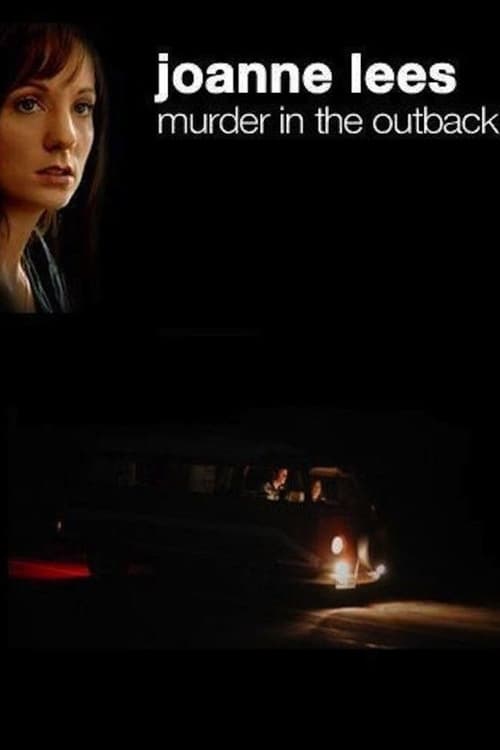
After surviving the terrifying outback abduction of her boyfriend, Joanne Lees became the victim of a relentless trial by media across two continents. With no body to speak of, reported 'sightings' of Peter, and revelations Joanne had cheated on her boyfriend, the public and media in both Britain and Australia refused to accept Joanne's innocence on face value. This is the story of one young woman's courage in the face of one of the most mysterious crimes in Australian history.
2003

1988

2023

2009

2010

2013

2011

2018
No reviews yet. Be the first to share your thoughts on this movie!
Use the rating form above to leave a star rating and optional review.