Wolfsbergen
2007
No user ratings available yet
Diversity score: 3.4 out of 10
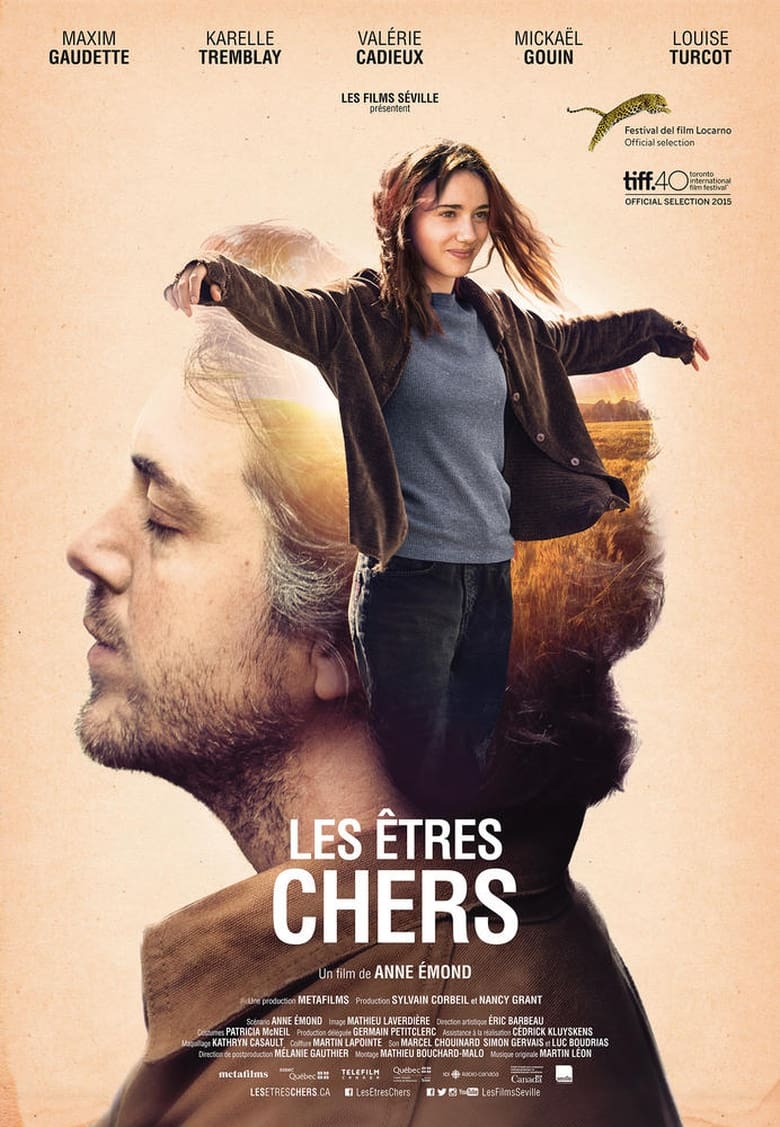
2015
Director
Anne Émond
Runtime
102 minutes
Average Rating
No ratings yetSynopsis
1978. In a small village in Bas-St-Laurent, Guy’s tragic death is a shock for the Leblanc family. For many years, the real cause of his death is kept hidden from some members of the family, including his son David. The latter in turn starts his own family with his wife Marie. He lovingly raises his children Laurence and Frédéric, but deep within him harbours a persistent melancholy.
Overall Score
Limited
Category Breakdown
LGBTQ+ Representation
The film centers on heteronormative family structures and the domestic life of David and Marie. It lacks narratives involving non-cisnormative identities or critiques of heteronormativity.
Gender Representation
The narrative subverts traditional masculine competence by focusing on the male protagonist's melancholy. It prioritizes the emotional labor and psychological interiority of its female characters.
Racial & Ethnic Diversity
Set in a 1978 French-Canadian village, the cast is predominantly homogeneous. The film reflects specific historical demographics rather than utilizing diverse or color-blind casting.
Religious & Cultural Diversity
The story explores the fragmentation of the traditional family unit through hidden truths and grief. It avoids idealized Christian morality in favor of complex, subjective emotional experiences.
Disability Representation
While the film examines the heavy emotional weight of grief, it lacks explicit representation of physical disability, neurodivergence, or chronic illness as central narrative drivers.
Strengths
Areas for Improvement
AI Analysis
Anne Émond’s drama is a deeply intimate character study that prioritizes psychological realism over demographic variety. The film succeeds in deconstructing traditional patriarchal hierarchies by centering female emotional experiences and portraying men through a lens of vulnerability rather than strength. However, the film remains limited by its specific historical and geographic setting. The focus on a homogeneous French-Canadian village results in low racial and LGBTQ+ representation, keeping the narrative within a traditional framework of familial lineage. Ultimately, the work finds its depth in the fractures of the domestic institution. It trades broad intersectional visibility for a nuanced exploration of how unspoken trauma and systemic secrecy impact the family unit.
2007

2010
2017
2020
2008
2001
2011
2004

2010
1999
2018

2013
No reviews yet. Be the first to share your thoughts on this movie!
Use the rating form above to leave a star rating and optional review.