
Fitting In
2024
No user ratings available yet
Representation score: 6.6 out of 10
Representation Score
Good
2019
Director
Anca Miruna Lazarescu
Runtime
96 minutes
Average Rating
No ratings yetNew Showbiz Analysis
Happiness Sucks offers a complex look at family dysfunction through the lens of neurodivergence and chronic illness. By centering the ability to act of its female protagonists, the film avoids the cliché of women as passive characters. The narrative succeeds in making disability a primary driver of the plot, treating the characters' physical and neurological struggles with nuance. This approach moves beyond simple melodrama to explore the psychological toll of these conditions. While the film touches on gender non-conformity, it remains somewhat ambiguous regarding broader queer identities. The lack of information on racial diversity also limits a complete picture of the film's scope.
Category Breakdown
The film explores gender non-conformity through Jessica, who is frequently perceived as male. This introduces social friction regarding identity, though the narrative lacks explicit confirmation of specific sexual orientations.
The story centers the roles of the female protagonists, who drive the plot through their own desperate plans rather than following paternal guidance.
There is no information available regarding the racial or ethnic composition of the cast or the setting. Consequently, no assessment can be made.
The narrative deconstructs the idealized family by prioritizing situational ethics over traditional frameworks. The characters' reliance on unconventional rituals suggests a departure from conventional Western family values.
Disability is a central pillar of the film, focusing on both neurological ticks and chronic illness. These conditions drive the characters' motivations rather than serving as mere tools for pity.
Present on Screen
Limited or Absent
Official Synopsis
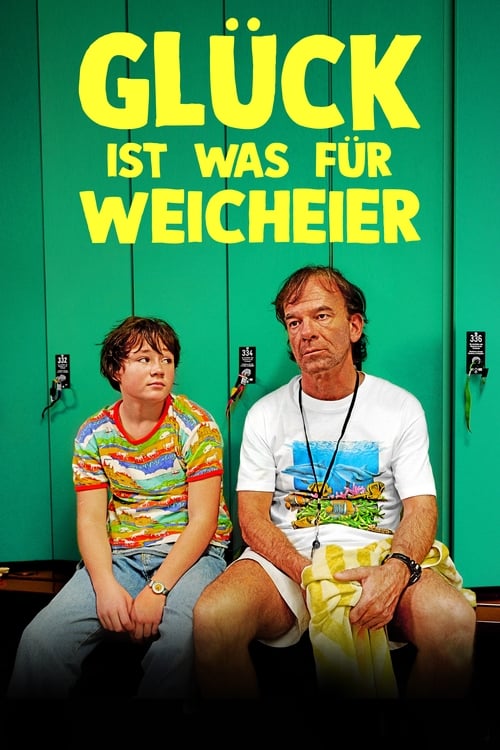
Stefan Gabriel is an active father always looking at life positively. While he tries to give back to society, his daughters Jessica (12) and Sabrina (15) struggle with their own problems. Jessica is often mistaken for a boy and has to deal with her many ticks. She would happily swap places with Sabrina, who, despite her illness, appears to have her life completely under control. But the more Sabrina’s health worsens, the worse Jessica’s ticks become. The girls need a plan and fast. They come across a special ritual in an old book, which could be their rescue. But the girls first have to find a boy to sleep with Sabrina. They don’t have much time left and Jessica puts all she has got into implementing the life-saving plan, no matter how crazy it may be.
2024

2010

2015
2020
2018

2019
2016
2023
No reviews yet. Be the first to share your thoughts on this movie!
Use the rating form above to leave a star rating and optional review.