
Into the World
2020
No user ratings available yet
Representation score: 5.7 out of 10
Representation Score
Fair
2020
Director
Alex Thompson
Runtime
100 minutes
Average Rating
No ratings yetNew Showbiz Analysis
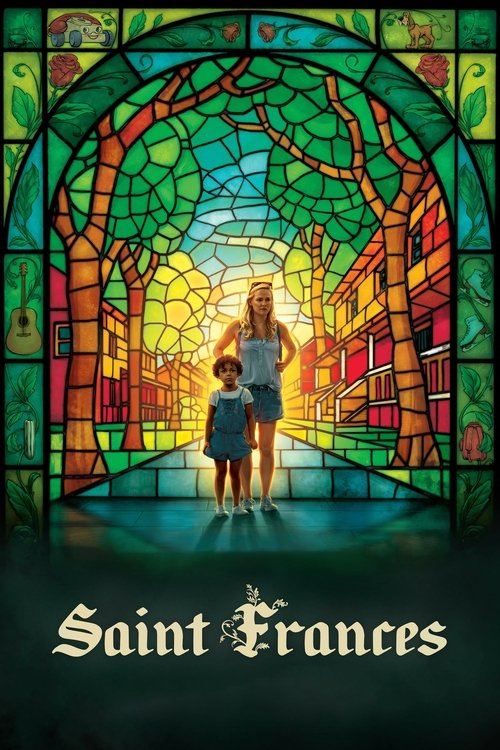
Saint Frances is a character-driven drama that explores women's ability to drive the story and bodily autonomy. By centering the narrative on a woman's reproductive choices and her navigation of a new socio-economic environment, the film challenges traditional domestic expectations. However, the film's diversity is limited by a lack of clear demographic breadth. While it tackles progressive themes of individual autonomy, there is no visible representation of LGBTQ+ identities or specific details regarding racial and ethnic diversity within the cast. Ultimately, the film functions as a focused study of personal ability to act, though it remains narrow in its demographic scope.
Category Breakdown
The story focuses on reproductive autonomy and class dynamics. There is no evidence of queer-coded characters or narratives that critique the assumption that everyone is straight or cisgender.
The film centers on a female protagonist navigating personal and professional transitions. It prioritizes perspectives that reflect women's ability to drive the story regarding reproductive healthcare and control over their lives.
The setting is affluent Evanston, Illinois, but specific character descriptions are unavailable. The score reflects a neutral baseline without further casting evidence.
The narrative prioritizes secular perspectives over institutional mandates. It challenges traditional moral frameworks by centering a story around the decision to have an abortion.
The provided context contains no information regarding characters with visible or invisible disabilities.
Present on Screen
Limited or Absent
Official Synopsis
At the start of the summer, Bridget has an abortion just as she lands a much-needed job in affluent Evanston, Illinois — nannying a six-year old.
2020

2021

2018

2021

2014
2016
2021

2022
No reviews yet. Be the first to share your thoughts on this movie!
Use the rating form above to leave a star rating and optional review.