The Wedding Waltz
1988
No user ratings available yet
Representation score: 2.5 out of 10
Representation Score
Fair
1998
Director
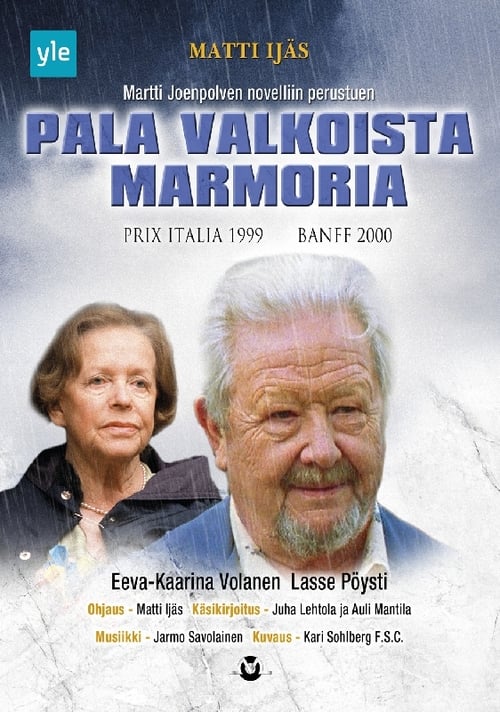
Matti Ijäs
Runtime
70 minutes
Average Rating
No ratings yetNew Showbiz Analysis
White Marble is a character-driven study that prioritizes psychological complexity over broad social themes. It successfully deconstructs the idealized clichés of elderhood and family sanctity, presenting a gritty, unvarnished look at human connections and legacies. However, the film lacks depth in representing diverse identities and social environments. The narrative remains centered on traditional romantic histories and a homogeneous social setting, offering limited representation for LGBTQ+ identities or diverse racial backgrounds. Ultimately, the film's strength lies in its refusal to present a polished version of life's milestones, opting instead to explore the messy, often uncomfortable realities of aging and interpersonal failures.
Category Breakdown
The film focuses on traditional relationships like marriages and mistresses. There are no LGBTQ+ characters or narratives that challenge straight-centered assumptions.
The story offers a nuanced look at aging through the protagonist's wife and an aspiring female novelist. However, the male protagonist's manipulative behavior toward the novelist raises concerns about the female characters' ability to drive the story.
The production features a predominantly white cast. There is no evidence of racial diversity or subversion of traditional casting norms.
The film avoids sentimentality by portraying aging and family dynamics through a lens of conflict and dysfunction. It emphasizes chaotic, subjective morality over traditional social or religious ideals.
Cognitive decline is a key plot element, with the protagonist described as half-senile. These elements are used more to highlight eccentricity than to advocate for disability rights.
Present on Screen
Limited or Absent
Official Synopsis
Half-senile Ossi and his wife travel to celebrate Ossi's 75th birthday at an old people's home where most of their friends are already staying. Just before the festivities Ossi suddenly disappears and goes on tour to 'make an inventory of his life'. He checks into a hotel, poses as a publishing director to lure an aspiring female novelist, next travels to bother his old mistress and her new husband with his surprise visit and obnoxious comments, then goes to see his son for the first time in 34 years just to receive an even colder treatment. Meanwhile, his equally demented wife goes looking for him with a local policeman.
1988

2020
1996
2017
2005
2002

2015
2001
No reviews yet. Be the first to share your thoughts on this movie!
Use the rating form above to leave a star rating and optional review.