
To Have and to Hold
2006
No user ratings available yet
Diversity score: 1.9 out of 10

1981
Director
Dick Lowry
Runtime
95 minutes
Average Rating
No ratings yetSynopsis
A lifelong yellow-belly who made a deathbed promise to his father to be a pacifist seeks bloody revenge on the men who gang-raped his wife.
Overall Score
Minimal
Category Breakdown
LGBTQ+ Representation
The film contains no visible LGBTQ+ characters or explorations of non-heteronormative identities. The social fabric depicted is strictly cisnormative.
Gender Representation
The narrative reinforces conventional gender hierarchies by centering on the male protagonist's transition to a protector. While a violent assault on the female lead drives the plot, agency remains concentrated in the male journey.
Racial & Ethnic Diversity
The cast is predominantly white, reflecting a homogeneous social environment. The narrative lacks significant roles for characters of color or engagement with racial intersectionality.
Religious & Cultural Diversity
The film prioritizes themes of personal accountability and the sanctity of the family unit. It operates within a traditional Western moral framework rather than critiquing systemic institutions.
Disability Representation
There are no prominent depictions of visible or invisible disabilities that drive the narrative or offer significant character agency.
Strengths
Areas for Improvement
AI Analysis
Coward of the County is a traditionalist narrative that adheres to mid-20th-century cinematic structures regarding masculinity and social order. The film focuses on the restoration of individual honor and the preservation of the domestic unit rather than deconstructing systemic hierarchies. The story relies on a classical moral framework, framing vigilantism as a necessary response to personal trauma. This approach reinforces established social roles rather than challenging them. Ultimately, the film lacks intersectional depth, presenting a singular arc of masculine redemption within a culturally specific Western framework.
2006

1973

1995

2018

1984

1984

1986

1978

1991
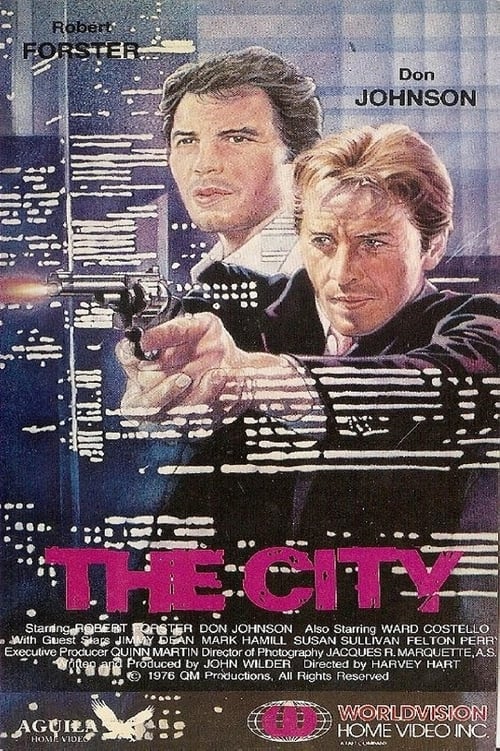
1977

1984

1980
No reviews yet. Be the first to share your thoughts on this movie!
Use the rating form above to leave a star rating and optional review.