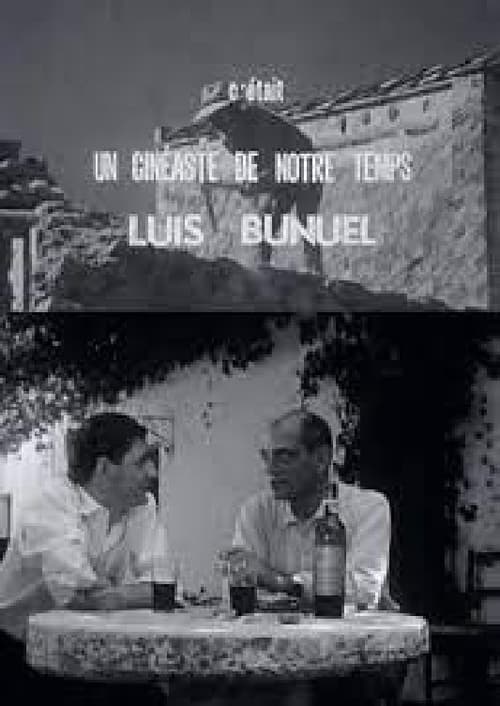
Luis Buñuel : Un cinéaste de notre temps
1964
No user ratings available yet
Representation score: 5.5 out of 10
Representation Score
Good
1984
Director
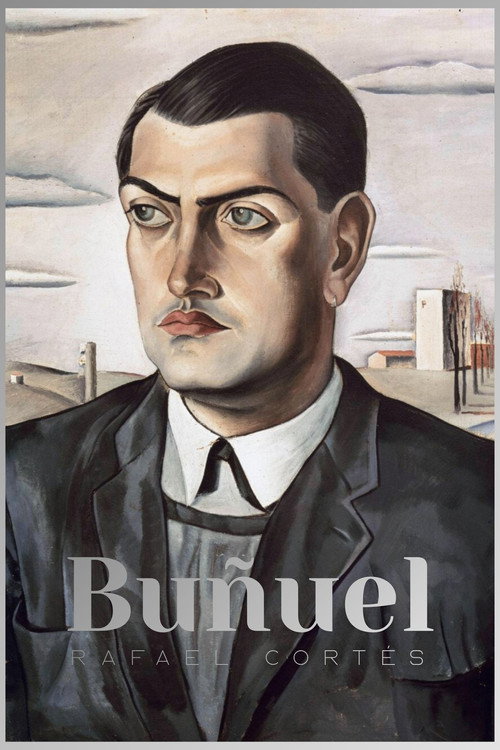
Rafael Cortés
Runtime
80 minutes
Average Rating
No ratings yetNew Showbiz Analysis
This documentary serves as a celebration of intellectual rebellion. By focusing on a filmmaker dedicated to deconstructing traditional authority, the film naturally engages with themes of systemic disruption and social subversion. The film excels at presenting a non-Anglo-centric view of cinema history, drawing from Mediterranean and Latin American intellectual circles. This provides a rich cultural texture that moves beyond standard Western perspectives. However, the film remains largely centered on a male figure and the intellectual elite. While it includes female voices like Jeanne Rucar, the primary narrative focus stays within the male-dominated sphere of Buñuel's life.
Category Breakdown
The documentary highlights the creative bonds between Luis Buñuel, Salvador Dalí, and Federico García Lorca. These historical connections offer a meaningful look at queer identity and challenge traditional social structures that assume everyone is straight or cisgender.
While the film focuses on a male subject, it also includes perspectives from his wife, Jeanne Rucar, offering a glimpse into his domestic life and preventing a purely patriarchal narrative.
The film showcases a Mediterranean and Latin American intellectual landscape through figures like Octavio Paz. It avoids an Anglo-centric view but remains focused on the 20th-century intellectual elite.
The narrative celebrates the iconoclast by chronicling Buñuel’s critique of the Church and capitalist structures. It validates a worldview that challenges established religious and social hierarchies.
There is no evidence regarding the portrayal of physical or neurodivergent disabilities in this biographical study.
Present on Screen
Limited or Absent
Official Synopsis
Completed a year after his death in 1983, this program presents the definitive biography of Spain’s renowned Surrealist film maker and iconoclast, Luis Buñuel. Using photographs, film excerpts, and numerous interviews with Bunuel, the video chronicles his early friendships with Salvador Dalí and Federico García Lorca, the stormy reactions to many of his groundbreaking films, and the influence he has had on international cinema. Among those interviewed are directors Federico Fellini, John Huston, and Jose L. Saenz De Heredia; Buñuel’s wife, Jeanne Rucar, and son Juan; actor Francisco Rabal; and Octavio Paz.
1964
2008
2008
2021
2000
1947

1997
2018
No reviews yet. Be the first to share your thoughts on this movie!
Use the rating form above to leave a star rating and optional review.