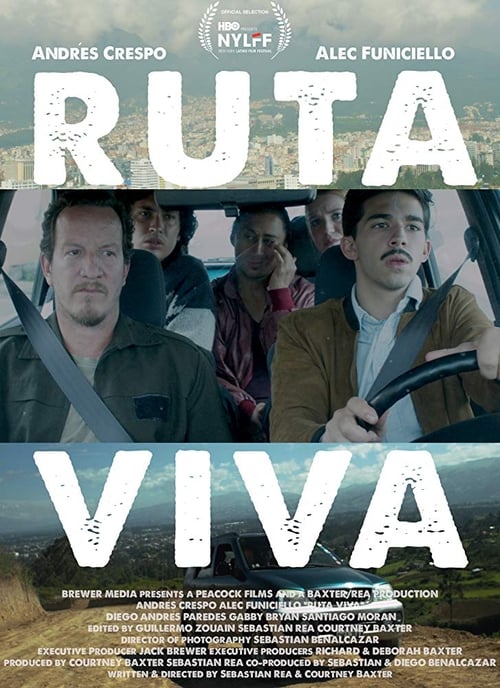
Ruta Viva
2018
No user ratings available yet
Representation score: 5.4 out of 10

Representation Score
Fair
2016
Director
Victor Villanueva
Runtime
90 minutes
Average Rating
No ratings yetNew Showbiz Analysis
Jesus Is Dead offers a localized, character-driven look at a Filipino family navigating grief and estrangement. By centering a single mother as the catalyst for the journey, the film successfully challenges traditional patriarchal roles and places more control in the hands of the female protagonist. The narrative moves away from homogeneous Western clichés by grounding itself in specific regional dynamics between Cebu and Dumaguete. This provides a meaningful platform for Southeast Asian cultural perspectives. While the film explores non-traditional domesticity and potentially provocative religious themes, it lacks clear evidence of LGBTQ+ representation or disability inclusion. It remains a nuanced study of social dynamics and regional identity.
Category Breakdown
The film does not include explicit LGBTQ+ characters or narratives. However, it focuses on a fractured family structure, which deviates from traditional nuclear families.
Iyay, a single mother, drives the plot. This shifts the focus from traditional patriarchal structures and places more control in the hands of the female protagonist.
The story is set in a Filipino context, moving from Cebu to Dumaguete. This centers a specific Southeast Asian perspective rather than a Western norm.
The provocative title suggests a questioning of religious symbolism. The film explores complex social realities rather than reinforcing singular Christian dogma or idealized family sanctity.
There is no evidence regarding the inclusion of characters with visible or invisible disabilities within the narrative.
Present on Screen
Limited or Absent
Official Synopsis
When Iyay, a single mother, learns that her estranged husband has died, she drags the entire family on a road trip from Cebu to Dumaguete to attend the funeral.
2018
2011
2009

1998

2017

2018
2012

2023
No reviews yet. Be the first to share your thoughts on this movie!
Use the rating form above to leave a star rating and optional review.