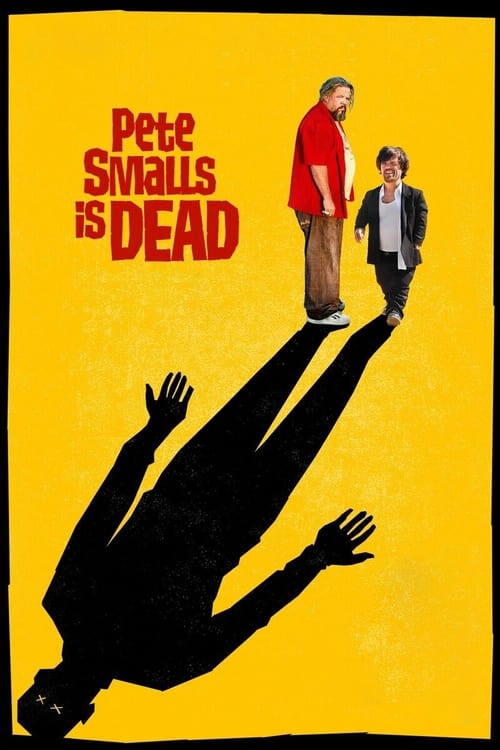
Pete Smalls Is Dead
2010
No user ratings available yet
Representation score: 7.3 out of 10
Representation Score
Limited
2012
TV-PGDirector
Robert Festinger
Runtime
13 minutes
Average Rating
No ratings yetNew Showbiz Analysis
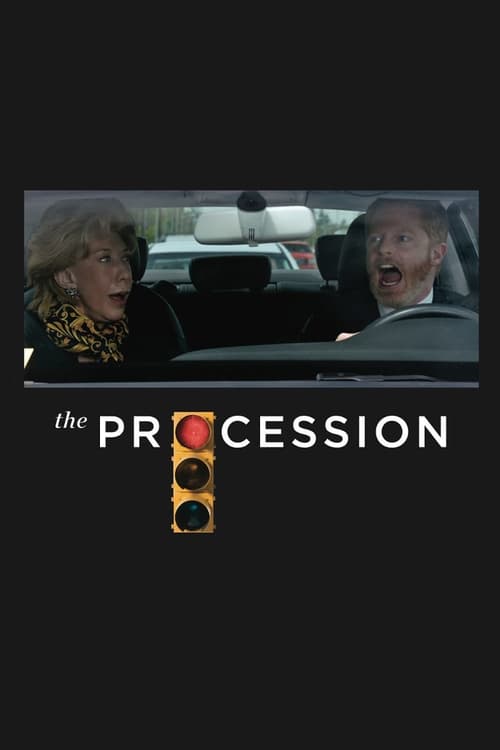
The Procession serves as a historical study of 1960s Ireland, focusing on specific cultural tensions rather than broader social identities. While it successfully centers women's ability to drive the story, the film remains narrow in its demographic scope. The narrative emphasizes the tension between religious authority and state laws, providing a focused exploration of faith-based protests but limiting engagement with a wider range of social identities. Ultimately, the film's strength lies in empowering women, while its weaknesses include a lack of racial, LGBTQ, and disability representation, creating a highly specific and homogeneous viewing experience.
Category Breakdown
The film does not depict any non-straight or non-cisgender identities or same-sex relationships. It focuses on traditional social structures and religious communities without addressing LGBTQ themes.
Female characters play key roles in driving the plot, organizing the main protest and dealing with social conflicts. This shifts leadership from male-dominated structures to female-led actions.
The cast is very uniform, reflecting the historical context of 1960s Ireland. The film does not explore broader themes of diversity through non-white casting.
The story examines the conflict between the Catholic Church and the Irish government. It critiques institutional authority through faith-based protests and civil disobedience.
The film does not address any visible or invisible disabilities. There is no representation of characters with disabilities.
Present on Screen
Limited or Absent
Official Synopsis
A mother and son attend a funeral for someone they really don't know, and intend to leave right after, but end up leading the procession to the burial.
2010
2002

2017

1995
2017

2006
1997

2012
No reviews yet. Be the first to share your thoughts on this movie!
Use the rating form above to leave a star rating and optional review.