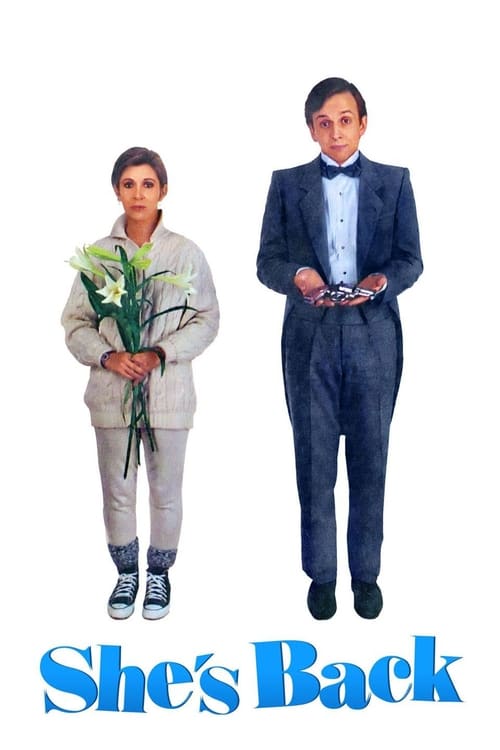
She's Back
1989
No user ratings available yet
Representation score: 1.6 out of 10

Representation Score
Minimal
1989
PG-13Director
Stella Stevens
Runtime
97 minutes
Average Rating
No ratings yetNew Showbiz Analysis
The Ranch (1989) functions as a conventional genre piece that prioritizes individualistic conflict over systemic complexity. The narrative is built around a singular male protagonist's struggle for ability to act, reinforcing established cinematic hierarchies rather than challenging them. Because the story focuses on a personal vendetta against a former ability to act, it lacks the demographic intentionality needed to provide meaningful representation. The film defaults to a traditional, homogeneous structure that avoids diverse perspectives.
Category Breakdown
The film does not include any representation of non-binary genders or same-sex relationships. The story revolves around a male protagonist and his personal quest for revenge.
The story heavily relies on traditional masculine hero stereotypes. It centers on a male lead's quest for vengeance, offering little evidence of challenging conventional gender roles.
There is no indication of a diverse cast or varied ethnic perspectives. The narrative structure suggests a likely homogeneous, traditional cinematic setup.
The plot follows Western clichés of individualistic justice and personal retribution. It lacks any critique of systemic institutions or diverse cultural frameworks.
The film contains no mention of physical disabilities, neurodivergence, or mental health conditions. These elements are absent from the character arcs and plot mechanics.
Present on Screen
Limited or Absent
Official Synopsis
Since Jack quit the Agency, things haven't been quite the same. Now they want him back and this time he's going after the man responsible for ruining his life - even if it kills him in the process.
1989
1977
1987

1970
1989
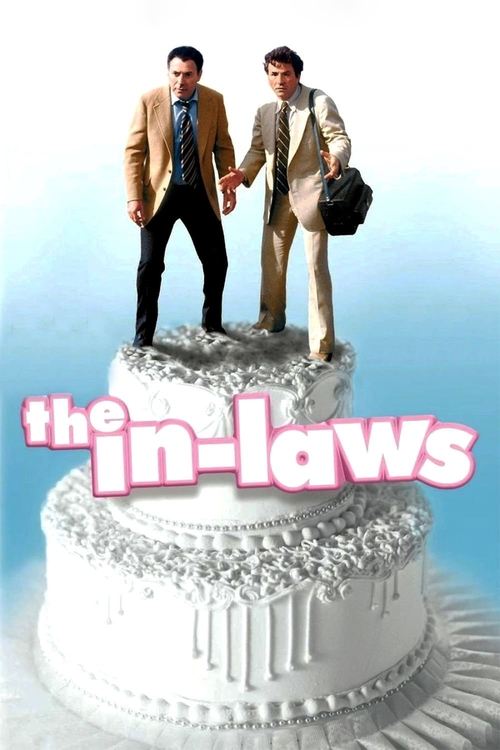
1979

1989

1980
No reviews yet. Be the first to share your thoughts on this movie!
Use the rating form above to leave a star rating and optional review.