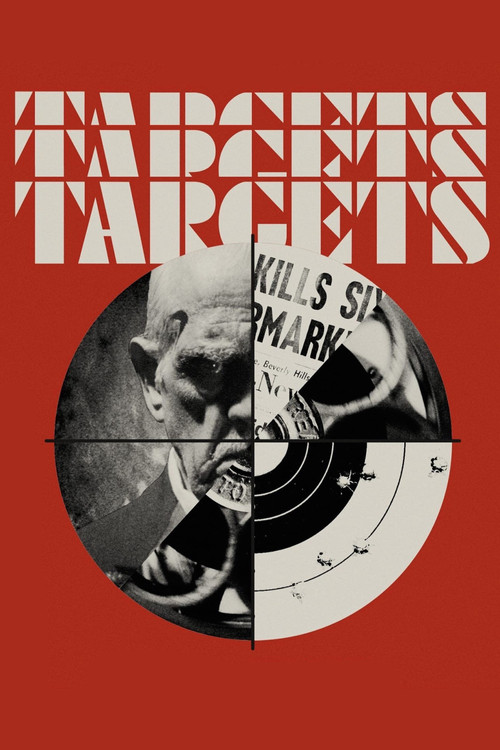
Targets
1968
No user ratings available yet
Representation score: 3.5 out of 10

Representation Score
Limited
1986
RDirector
Hal Ashby
Runtime
115 minutes
Average Rating
No ratings yetNew Showbiz Analysis
Hal Ashby’s neo-noir film focuses on the psychological unraveling of its main character, emphasizing a narrow perspective rather than broad demographic representation. While the film effectively dismantles the detective archetype and critiques systemic failures, it does so through a limited lens. The narrative leans heavily on traditional genre clichés, especially concerning gender and race. It centers on a white, male-centric journey into instability, offering little space for diverse character development. Overall, the film excels as a postmodern exploration of moral ambiguity and urban decay, but it falls short in providing progressive representation.
Category Breakdown
The film does not include any LGBTQ+ characters or situations involving non-straight relationships. The social interactions remain focused on traditional heterosexual dynamics.
Female characters mainly serve as catalysts within 'femme fatale' or 'damsel' roles. The story revolves around a traditional male struggle with professional and personal stability.
The cast is mostly made up of white actors, representing a narrow perspective of urban Los Angeles. There is a lack of diverse casting and characters who reflect more than one aspect of diversity.
The film presents a critical view of institutional stability and law enforcement. It portrays authority figures as ineffective or compromised, challenging the idea of a just social order.
Psychological trauma and alcoholism play key roles in the protagonist's decline. However, these themes are used more as plot devices rather than nuanced representations of mental health issues.
Present on Screen
Limited or Absent
Official Synopsis
Scudder is a detective with the Sheriff's Department who is forced to shoot a violent suspect during a narcotics raid. The ensuing psychological aftermath of this shooting worsens his drinking problem and this alcoholism causes him to lose his job, as well as his marriage.
1968
1950
1985
1983
1998
2005
1975

1981
No reviews yet. Be the first to share your thoughts on this movie!
Use the rating form above to leave a star rating and optional review.