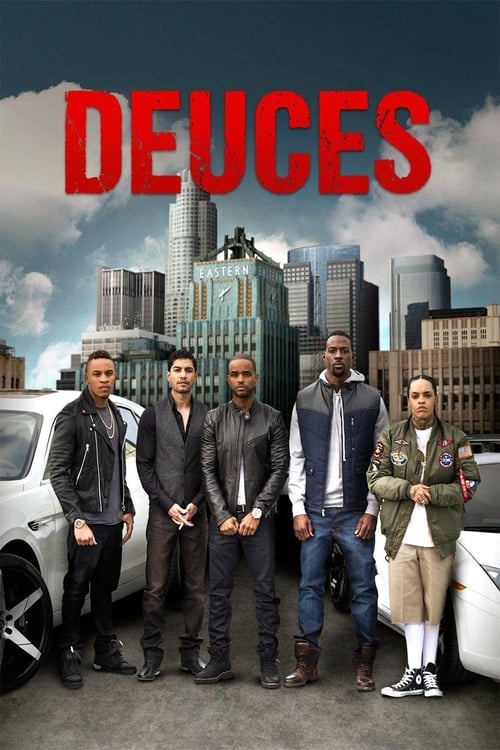
Deuces
2017
No user ratings available yet
Representation score: 3.7 out of 10

Representation Score
Limited
1994
RDirector
Paul Mones
Runtime
100 minutes
Average Rating
No ratings yetNew Showbiz Analysis
Saints and Sinners is a sociological study of communal fragility that prioritizes thematic depth over demographic breadth. It uses a rural setting to examine how spiritual fervor intersects with systemic exploitation and socioeconomic desperation. The film's primary strength lies in its sophisticated critique of institutionalized faith and the deconstruction of small-town morality. It frames religious and social structures as sites of corruption rather than sources of stability. However, the work lacks demographic variety. The focus on a homogeneous, rural American community results in low representation for LGBTQ+, racial, and disability-related identities.
Category Breakdown
The film does not include any LGBTQ+ characters or explore non-traditional gender identities. It focuses on heterosexual relationships within a traditional rural community.
Women play significant roles in navigating social standing within strict religious hierarchies. However, the film does not challenge the dominance of male leadership or disrupt established gender power dynamics.
The production features a predominantly white, rural American cast. This reflects the demographic makeup of its specific setting and a homogeneous community context.
The film excels in critiquing traditional Western institutions. It portrays religious fervor as a tool for capitalist-style exploitation, challenging the inherent morality of organized religion.
There is no significant evidence regarding the portrayal of physical or neurodivergent disabilities within the narrative.
Present on Screen
Limited or Absent
Official Synopsis
After many years Pooch returns to his neighbourhood. To Big Boy, his best friend, Pooch is valuable asset in his plans of becoming local crime lord. To Pooch, this reunion is painful because he is, actually, undercover cop sent to bring Big Boy down.
2017
1995

2005
1992
1987
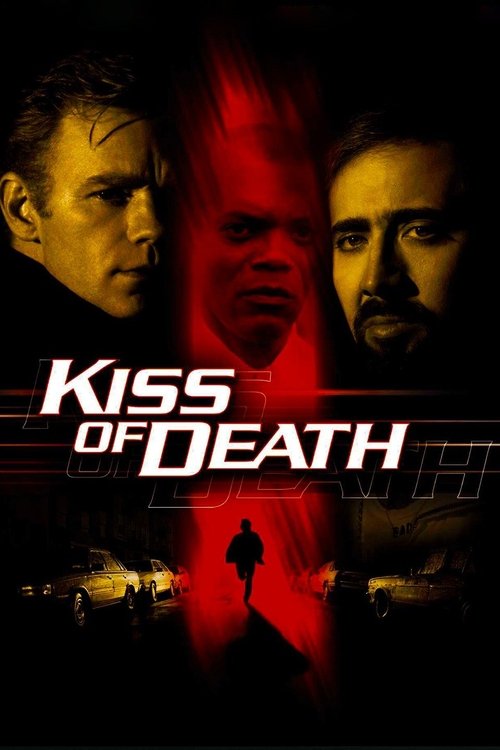
1995
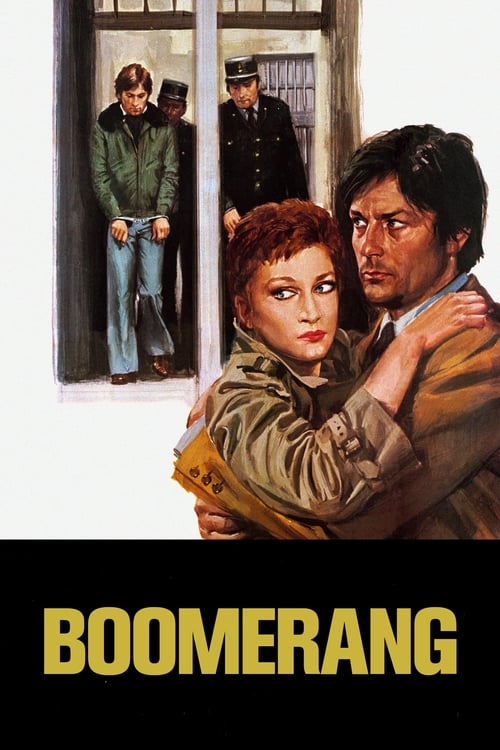
1976
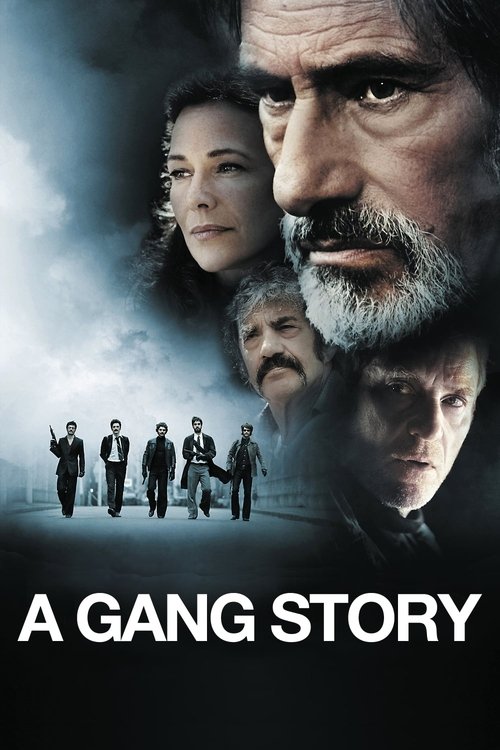
2011
No reviews yet. Be the first to share your thoughts on this movie!
Use the rating form above to leave a star rating and optional review.