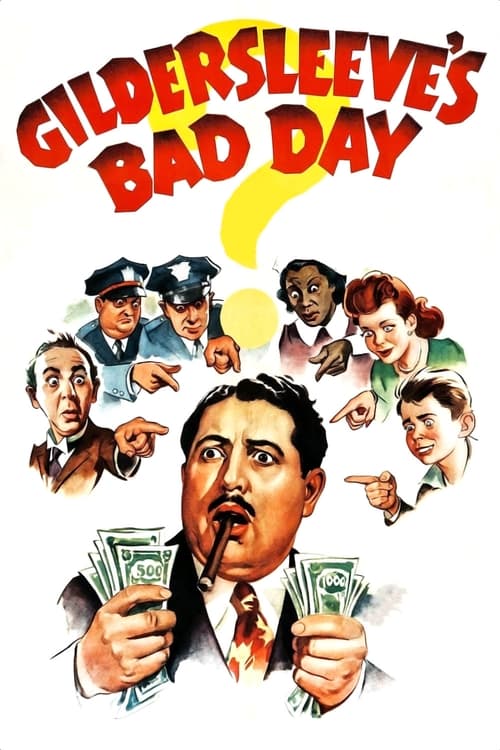
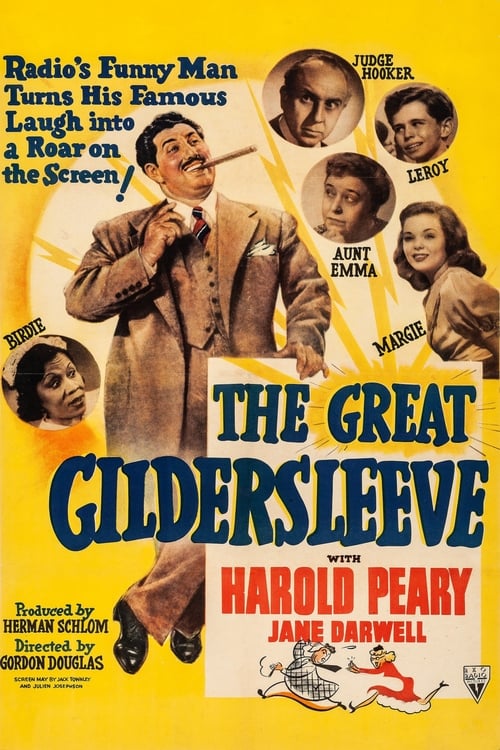
Gildersleeve's Bad Day
1943
No user ratings available yet
Representation score: 1.6 out of 10
Representation Score
Minimal
1942
PassedDirector
Gordon Douglas
Runtime
62 minutes
Average Rating
No ratings yetNew Showbiz Analysis
The Great Gildersleeve is a product of the 1940s studio system, emphasizing conventional narrative structures and traditional social hierarchies. It presents a typical mid-century comedy that upholds established social norms without challenging them. The film focuses narrowly on a small-town protagonist's pursuit of civic office and family responsibilities. This narrow focus results in a lack of representation across most diversity metrics. Ultimately, the work adheres to the homogeneous social norms of its era, providing a conventional look at American community life without systemic critique.
Category Breakdown
The film does not include any LGBTQ+ characters or narratives. It focuses on traditional social structures of the 1940s.
The story centers around a male protagonist who navigates civic duties and family responsibilities. Female characters do not have significant roles in driving the plot.
The film reflects the homogeneous society of early 1940s Hollywood. There is no indication of a diverse cast or non-Anglo-Saxon majority.
Themes of civic involvement and family custody reinforce traditional Western institutions. The story is a conventional social comedy without critique of community standing.
There is no mention of characters with visible or invisible disabilities. No assessment of ability to act or cliché usage can be made.
Present on Screen
Limited or Absent
Official Synopsis
A small-town blowhard runs for water commissioner while fighting to win custody of his niece and nephew.
1943
1934
1951
1934
1937
1949

1945
1947
No reviews yet. Be the first to share your thoughts on this movie!
Use the rating form above to leave a star rating and optional review.