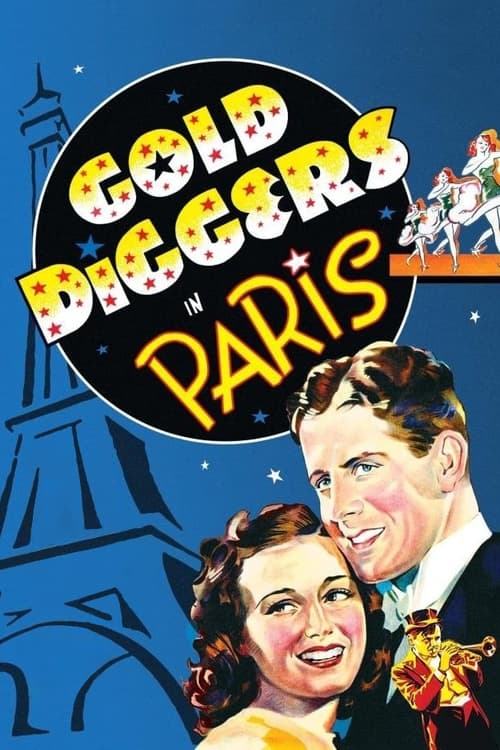
Gold Diggers in Paris
1938
No user ratings available yet
Representation score: 1.0 out of 10
Representation Score
Minimal
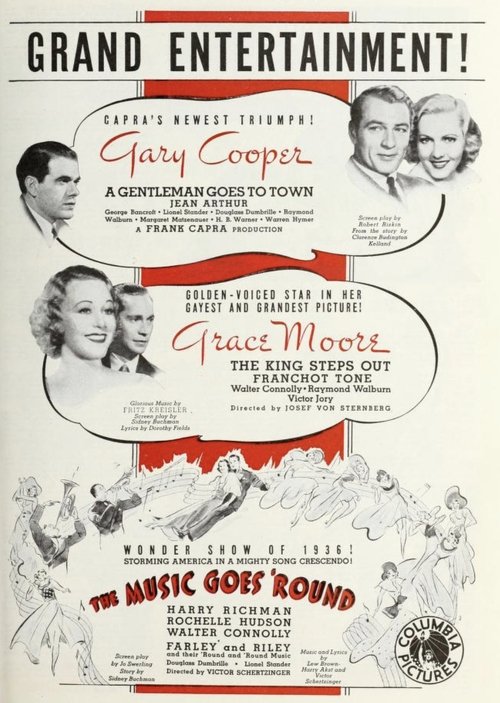
1936
ApprovedDirector
Victor Schertzinger
Runtime
86 minutes
Average Rating
No ratings yetNew Showbiz Analysis
The Music Goes 'Round serves as a quintessential example of mid-1930s studio era entertainment. It prioritizes escapism and traditional comedic structures over disrupting social or identity-based norms. The film adheres to established archetypes, reinforcing existing social hierarchies through its narrative structure. It functions as a lighthearted theatrical comedy that upholds the status quo rather than challenging it. Ultimately, the work lacks depth in reflecting multiple aspects of identity. It relies on a homogeneous cast and traditional gender roles to drive its professional and romantic subplots.
Category Breakdown
The film does not include any representation of LGBTQ+ identities. Romantic subplots follow traditional heterosexual pairings typical of 1930s musical comedies.
Female characters are primarily defined through their professional dance talents and romantic involvement with the male lead. The film reinforces traditional gender dynamics and portrays women as objects of spectacle.
The production reflects the homogeneous casting standards of 1930s Hollywood. The setting centers on white-dominated theatrical landscapes, offering no disruption of the era's racial status quo.
The narrative celebrates Western values and social mobility within the American theatrical tradition. It functions as lighthearted social maneuvering without engaging in systemic critiques.
There is no evidence of characters with visible or invisible disabilities. The focus on physical virtuosity suggests a cast selected for physical conformity.
Present on Screen
Limited or Absent
Official Synopsis
Harry Wallace (Harry Richman) is the star of a musical comedy who, while on a leave of absence from Broadway, encounters a troupe of untalented showboat players and takes them to New York City. Without letting them in on the joke, he then features them in a new revue, hoping that unintentionally-funny act will bring the house down.
1938
1941
1930
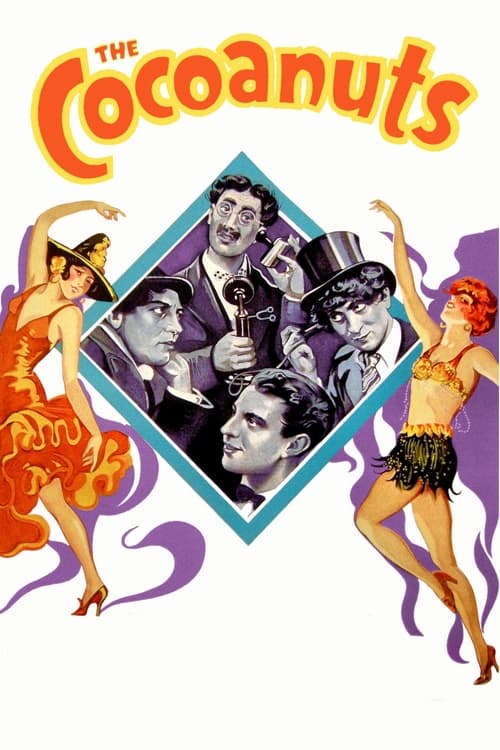
1929
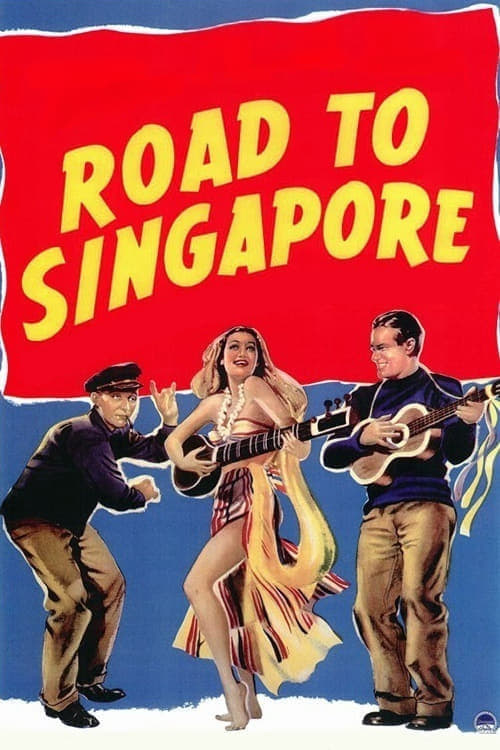
1940
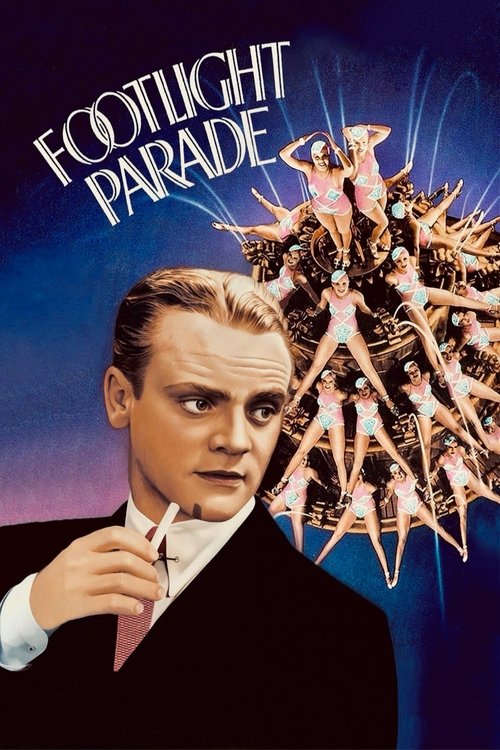
1933
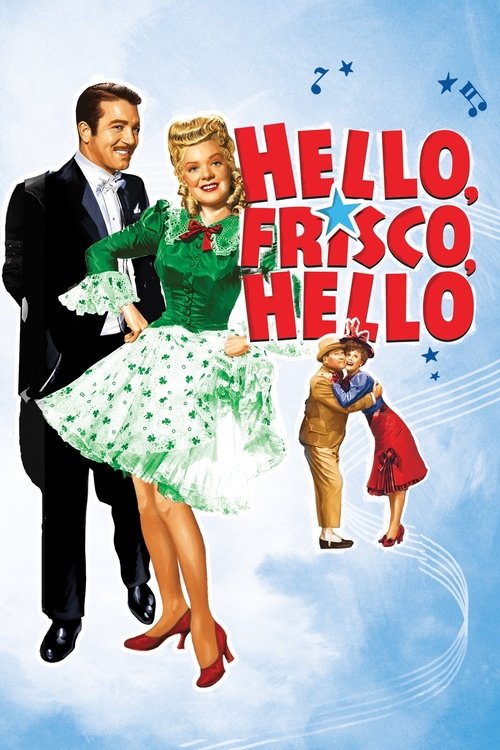
1943
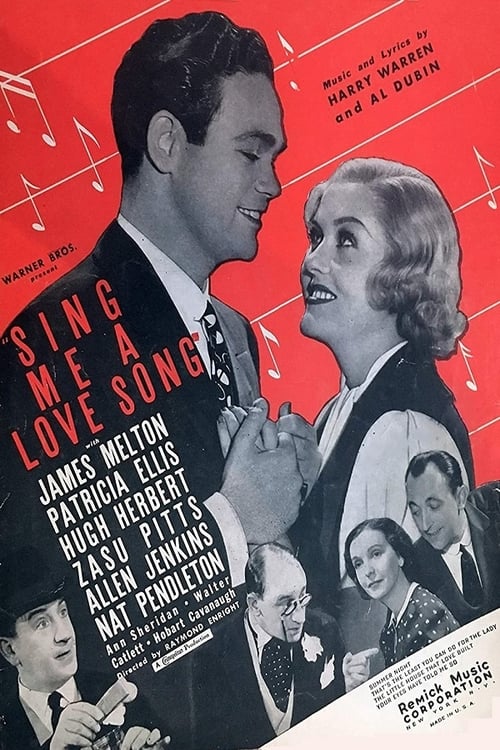
1936
No reviews yet. Be the first to share your thoughts on this movie!
Use the rating form above to leave a star rating and optional review.