The Wild and Wonderful Whites of West Virginia
2009
No user ratings available yet
Representation score: 4.6 out of 10
Representation Score
Fair
1991
Director
Jacob Young
Runtime
28 minutes
Average Rating
No ratings yetNew Showbiz Analysis
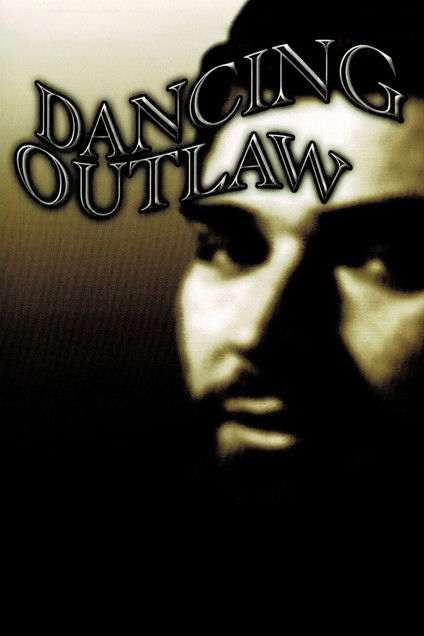
Dancing Outlaw serves as a character study of Jesco White, examining the tension between personal eccentricity and societal norms. It frames psychological instability as a core part of identity rather than a mere spectacle. While the film lacks broad demographic diversity, it provides a sophisticated portrayal of neurodivergence. The narrative breaks traditional documentary conventions by allowing the subject to shape his own reality. Ultimately, the film’s strength lies in its ethnographic insight into Appalachian subculture, presenting a non-standard way of life as a valid, though tumultuous, experience.
Category Breakdown
The film contains no explicit LGBTQ+ characters or narratives. The focus remains entirely on the psychological and familial complexities of the White family.
The documentary focuses on male figures and various expressions of masculinity. Female family members appear but do not significantly influence the narrative or challenge traditional gender roles.
The film portrays a culturally homogeneous Appalachian community. It does not include racial or ethnic diversity, reflecting the specific demographics of the region.
The film delves deeply into mountain culture and criticizes formal state structures. It highlights a lifestyle that exists on the outskirts of mainstream society.
The film offers a candid look at neurodivergence through Jesco White’s fragmented personas. It humanizes cognitive differences rather than presenting them clinically.
Present on Screen
Limited or Absent
Official Synopsis
This documentary short, produced for West Virginia public TV's "Different Drummer" series, introduces us to Jesco White, a hard-living, tap-dancing Boone County resident whose repeated run-ins with the law have interfered with his dream of becoming as renowned a "mountain dancer" as his late father, D. Ray White. We meet Jesco's three distinct personalities; the gentle and loving Jesse, the violent and dangerous Jesco, and the extremely strange Elvis. We also encounter various members of Jesco's family, all nearly as eccentric as Jesco himself. You will ask, "Are these people for real?" Yes, they are.
2009
1976
1999
2006
2014
1995
1981
1992
No reviews yet. Be the first to share your thoughts on this movie!
Use the rating form above to leave a star rating and optional review.