Dancing Outlaw
1991
No user ratings available yet
Representation score: 4.7 out of 10
Representation Score
Fair
1999
Director
Jacob Young
Runtime
30 minutes
Average Rating
No ratings yetNew Showbiz Analysis
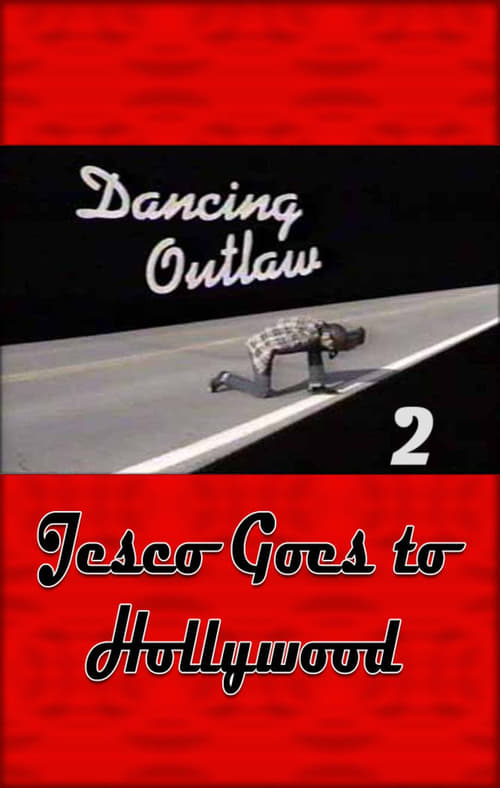
Dancing Outlaw II: Jesco Goes to Hollywood is a character study focusing on a cultural outsider. It highlights the conflict between rural subcultures and urban institutions. The film does not prioritize multi-layered identity politics. It effectively showcases regional and class differences, presenting a unique perspective on life outside mainstream morality. However, it lacks diverse representation in terms of race, gender, and LGBTQ+ identities. Ultimately, the documentary serves as an observational study of an individual navigating the mainstream media landscape, rather than advocating for specific underrepresented groups.
Category Breakdown
The documentary does not explore LGBTQ+ identities or non-conforming gender roles. It focuses solely on Jesco White's personal journey without delving into queer experiences.
The film emphasizes the masculine experience of Jesco White. It does not provide strong female roles or challenge traditional gender hierarchies.
The story centers on a rural Appalachian figure navigating a predominantly white media scene. It does not blend racial identities to drive the narrative.
The film examines the clash between rural eccentricity and the manufactured environment of Hollywood. It highlights the tension between traditional and modern social norms.
The documentary observes Jesco White's mental state and behavior. However, it is unclear whether his actions are portrayed as meaningful choices or merely as a spectacle.
Present on Screen
Limited or Absent
Official Synopsis
As the popularity of the Dancing Outlaw grew after the release of his biographical documentary, Jesco White was asked by comedian Tom Arnold to perform on the television show Roseanne. He traveled to Los Angeles for the performance, which was chronicled in the 1994 short film Dancing Outlaw 2: Jesco Goes To Hollywood - directed by Jacob Young.
1991
2011
2019
2005
2019
2014
2002
2016
No reviews yet. Be the first to share your thoughts on this movie!
Use the rating form above to leave a star rating and optional review.