Dragonwyck
1946
No user ratings available yet
Representation score: 4.2 out of 10
Representation Score
Good
1964
NRDirector
Robert Rossen
Runtime
114 minutes
Average Rating
No ratings yetNew Showbiz Analysis
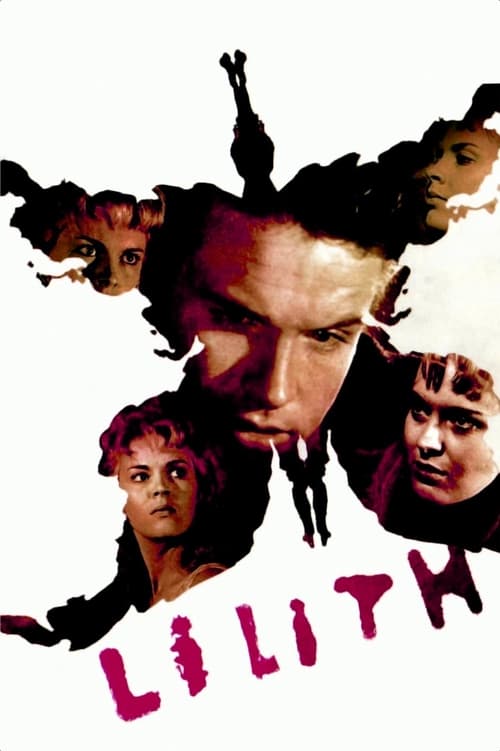
Robert Rossen’s drama succeeds in elevating neurodivergence from a cliché to a central, complex character study. By centering the narrative on Lilith’s schizophrenia, the film explores the nuances of mental health and institutional authority. However, the film remains limited by the social homogeneity of its era. The lack of racial diversity and explicit LGBTQ+ representation keeps the scope narrow, reflecting the exclusionary social milieus of the 1960s. Ultimately, the film is a significant psychological study that challenges gendered expectations of stability, even if it lacks broader demographic breadth.
Category Breakdown
The film hints at non-traditional relational dynamics but does not explicitly confirm any queer identities. It explores unconventional attraction and the breakdown of social norms.
Lilith, a woman with schizophrenia, disrupts traditional domestic roles through her psychological complexity. She plays a central role in the film's emotional gravity.
The setting suggests a homogeneous social hierarchy typical of 1960s wealthy circles. There is no evidence of racial blending or diverse casting within the narrative.
The story critiques the rigidity of Western medical and social institutions. It prioritizes psychological truth over established social or religious orders.
Schizophrenia is treated as a core identity rather than a mere plot device. The film approaches neurodivergence as a complex, lived experience driving the tension.
Present on Screen
Limited or Absent
Official Synopsis
Vincent Bruce, a war veteran, begins working as an occupational therapist at Poplar Lodge, a private psychiatric facility for wealthy people where he meets Lilith Arthur, a charming young woman suffering from schizophrenia, whose fragile beauty captivates all who meet her.
1946
1948
1949
1952
1946
1963

1956
1957
No reviews yet. Be the first to share your thoughts on this movie!
Use the rating form above to leave a star rating and optional review.