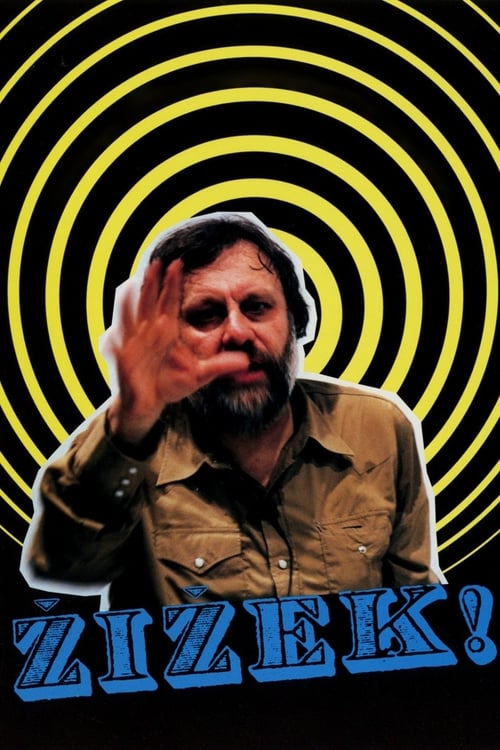
Žižek!
2005
No user ratings available yet
Representation score: 6.5 out of 10
Representation Score
Good
1996
Director
Claudia Willke, Katharina Höcker
Runtime
52 minutes
Average Rating
No ratings yetNew Showbiz Analysis
This documentary delves deeply into the work of Slavoj Žižek, offering a non-Western perspective that challenges Eurocentric academic norms. Its strength lies in its progressive cultural framing and its use of psychoanalytic theory to deconstruct systemic power. However, the representation remains largely theoretical. While the directorial team and the subject’s theories touch on gender and identity, the film lacks explicit, character-driven narratives for LGBTQ+ or female identities.
Category Breakdown
The film addresses LGBTQ+ themes through intellectual discussions rather than character-driven stories. It explores the breakdown of traditional assumptions about relationships and desire using Lacanian theory.
Directed by a female duo, the film challenges traditional male-dominated structures in philosophical filmmaking. While the subject’s theories address gender roles, there is no explicit detail about specific female influence within the narrative.
The documentary centers on a Slovenian philosopher, providing a non-Anglo-Saxon perspective. It highlights the Slovenian Lacan School as a site of resistance against conventional Eurocentric academic norms.
The film offers a progressive cultural perspective by critiquing orthodox institutions. It uses psychoanalysis to navigate systemic contradictions and challenge established social and political structures.
There is no visible or mentioned depiction of physical or neurodivergent disabilities within the film's content.
Present on Screen
Limited or Absent
Official Synopsis
Slavoj Zizek, born in 1949 in Ljubljana, psychoanalyst and professor of philosophy, started early on a group of theoreticians who sharpened their thinking of the theses of Jacques Lacan. The Slovenian Lacan School was a spiritual resistance nest in orthodox ex-Yugoslavia, and Slavoj Zizek emerged as a globally operating philosopher-entertainer.
2005
2006
2004
2012
2002
2008
2001
1986
No reviews yet. Be the first to share your thoughts on this movie!
Use the rating form above to leave a star rating and optional review.