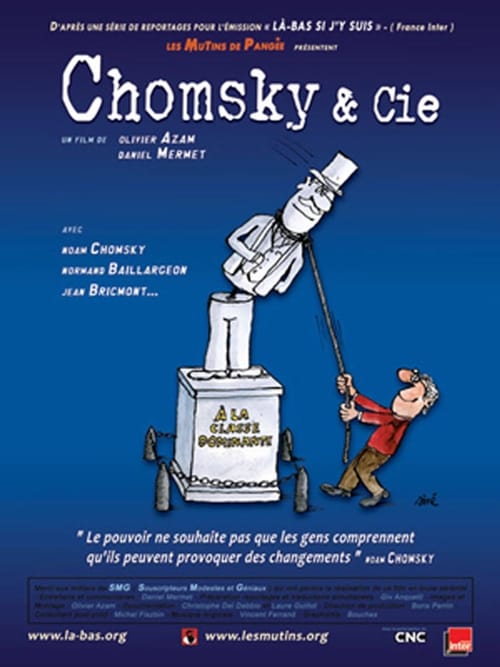
Chomsky & Cie
2008
No user ratings available yet
Representation score: 5.7 out of 10
Representation Score
Good
2001
Director
Pierre Carles
Runtime
146 minutes
Average Rating
No ratings yetNew Showbiz Analysis
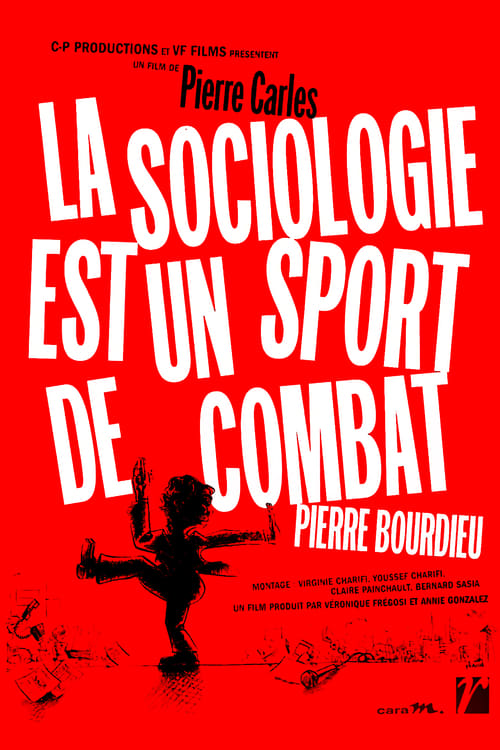
Sociology Is a Martial Art is a documentary that focuses on the intellectual methods of Pierre Bourdieu. It prioritizes the study of systemic power structures and social dynamics over individual identity narratives. The film excels in cultural representation by framing sociology as a tool to resist institutional pressures. However, it lacks specific focus on LGBTQ+ identities, gender-challenging arcs, or disability representation.
Category Breakdown
The film focuses on the intellectual work of Pierre Bourdieu and does not explore LGBTQ+ identity politics. There are no specific LGBTQ+ character arcs or non-straight identities portrayed.
The narrative centers on Bourdieu’s intellectual role and his interactions within academic and working-class environments. While it challenges hierarchies of knowledge, it does not provide specific gender-challenging character arcs.
By exploring the lives of people in a working-class suburb, the film engages with diverse socio-economic and ethnic backgrounds. It examines how different social groups navigate power within the French social structure.
The documentary prioritizes the deconstruction of systemic power through Bourdieu’s sociological perspective. It promotes intellectual secularism and critiques traditional social hierarchies.
There is no evidence regarding the portrayal of physical or neurodivergent disabilities within the film.
Present on Screen
Limited or Absent
Official Synopsis
"I often say sociology is a martial art, a means of self-defence. Basically, you use it to defend yourself, without having the right to use it for unfair attacks." (Pierre Bourdieu) The world has witnesses who speak out loud what others keep to themselves. They are neither gurus, nor masters, but those who consider that the city and the world can be thought out. The sociologist, Pierre Bourdieu is one such witness." Over a three- year period, Pierre Carles' camera followed him through different situations: a short conversation with Günter Grass, a lively conference with the inhabitants of a working-class suburb, his relations with his students and colleagues and his plea that sociology be part of the life of the city. His thinking has a sort of familiarity, which means it is always within our reach. It is the thinking of a French intellectual who has chosen to think his times.
2008
1961
2008
1965
2020
2016
2003
2012
No reviews yet. Be the first to share your thoughts on this movie!
Use the rating form above to leave a star rating and optional review.