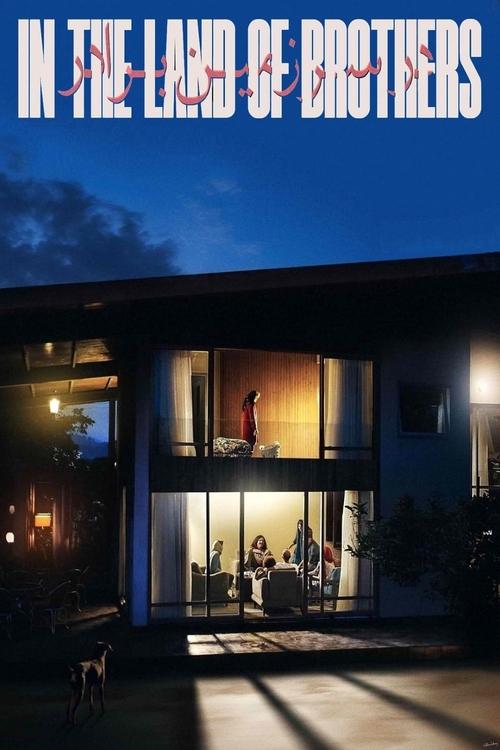
In the Land of Brothers
2024
No user ratings available yet
Representation score: 4.2 out of 10

Representation Score
Excellent
2018
Director
Costanza Quatriglio
Runtime
103 minutes
Average Rating
No ratings yetNew Showbiz Analysis
Just Like My Son stands out by focusing on the specific experiences of the Hazara people rather than relying on generalized migration narratives. By delving into the historical and cultural memory of a persecuted minority, the film offers a rich exploration of ethnic identity and the enduring effects of systemic conflict. The narrative shifts the perspective away from Western geopolitical interests to the lived realities of those displaced by war. This focus on the human cost of violence provides a more authentic portrayal of the refugee experience. However, the film's scope appears limited in other areas. There is no explicit representation of LGBTQ+ identities or physical disabilities, keeping the narrative's diversity primarily centered on ethnic and cultural specifics.
Category Breakdown
The film does not include any explicit LGBTQ+ characters or themes, resulting in a neutral score for this category.
The story focuses on the bond between brothers Ismail and Hassan, avoiding traditional heroic archetypes and emphasizing vulnerability and the impact of systemic violence.
The narrative centers on the Hazara diaspora, providing a detailed look at their unique history and identity. This approach avoids simplified refugee clichés by highlighting the specific experiences of a persecuted minority.
The film challenges Western-centric views by presenting war through the lens of its victims. It explores the tension between traditional heritage and the realities of European integration.
While there are no physical disabilities mentioned, the film addresses the psychological trauma of war. This focus provides a nuanced view of the mental health impacts of displacement.
Present on Screen
Limited or Absent
Official Synopsis
Having escaped from Afghanistan when still a child, Ismail now lives in Europe with his brother Hassan. After several disturbing phone calls, Ismail will have to face the destiny of his family, counting the cost of the senselessness of war and the history of his people, the Hazaras.
2024

2021
2017
2000

2014

2020

2014
2017
No reviews yet. Be the first to share your thoughts on this movie!
Use the rating form above to leave a star rating and optional review.