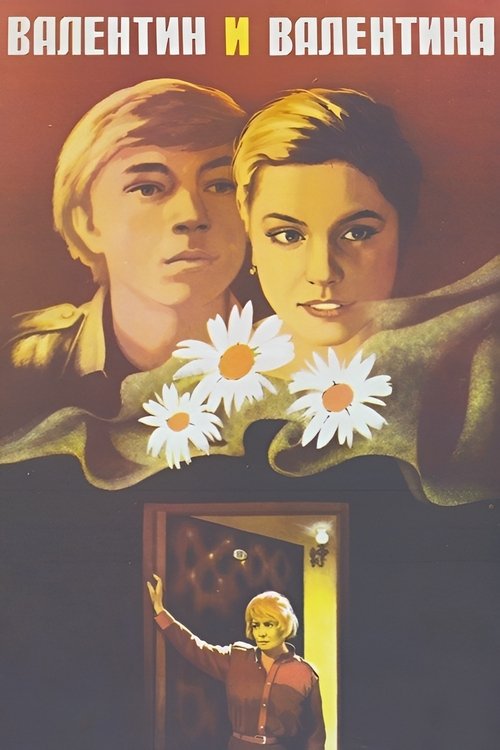
Valentin and Valentina
1985
No user ratings available yet
Representation score: 3.1 out of 10
Representation Score
Fair
1971
Director
Helena Amiradżibi-Stawińska, Jerzy Stefan Stawiński
Runtime
89 minutes
Average Rating
No ratings yetNew Showbiz Analysis
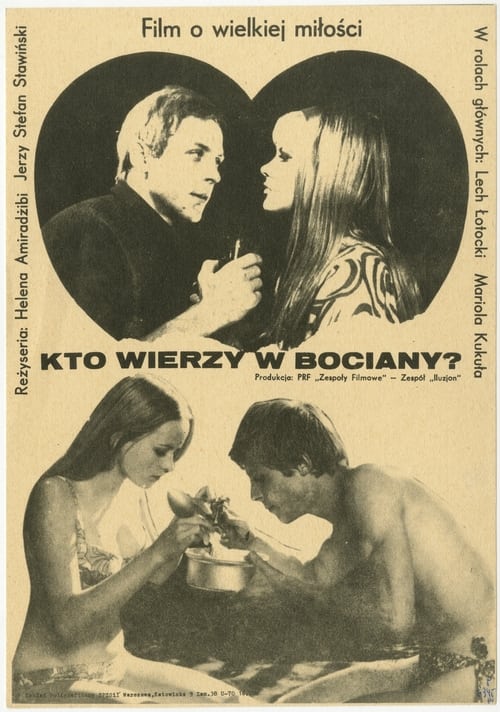
Who Believes in Storks? is a period drama that focuses on social and psychological critique rather than broad demographic representation. While it falls short of modern standards for LGBTQ+ and racial diversity, it excels in its thematic critique of authority. The film uses a teenager's rebellion to challenge traditional family structures and patriarchal norms. Despite the limitations of its time, it offers a progressive narrative that questions societal norms.
Category Breakdown
The film does not show any characters with non-binary gender identities or same-sex relationships. The story focuses on a teenage boy and his girlfriend, which follows a conventional romantic storyline.
The movie explores how a teenager rebels against patriarchal authority. Although female characters are not extensively developed, the conflict challenges traditional gender roles in the home.
Given the time period, the film seems to follow typical ethnic casting practices of 1971 Poland. There is no indication of diverse casting.
The film strongly critiques institutional authority and emphasizes personal freedom. It highlights the dismantling of traditional family structures.
There are no characters with physical or neurological differences in the film.
Present on Screen
Limited or Absent
Official Synopsis
A teenager starts to rebel against his parents in increasingly radical ways after being forbidden from going out with his girlfriend.
1985

1953
1971

1970

1991
1968
1951
1961
No reviews yet. Be the first to share your thoughts on this movie!
Use the rating form above to leave a star rating and optional review.