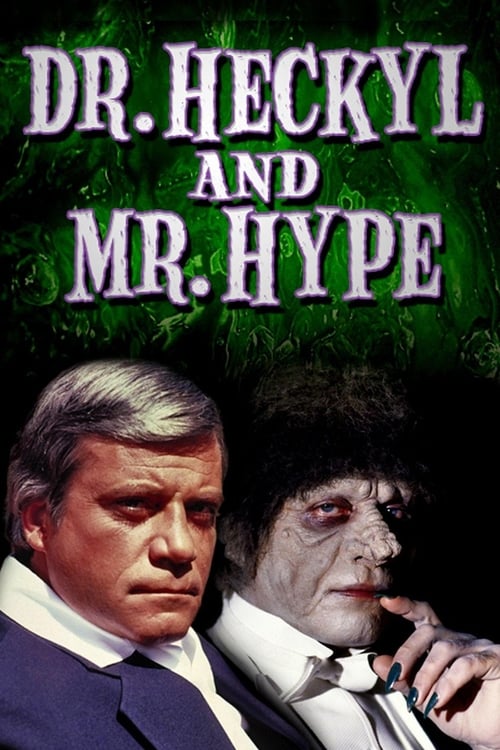
Dr. Heckyl and Mr. Hype
1980
No user ratings available yet
Representation score: 4.3 out of 10

Representation Score
Excellent
2018
UnratedDirector
Serge Bozon
Runtime
95 minutes
Average Rating
No ratings yetNew Showbiz Analysis
Serge Bozon’s film is a postmodern exploration of identity that prioritizes psychological atmosphere over traditional plot. It deconstructs the power dynamics between the observer and the observed, offering a sharp critique of systemic surveillance and the male gaze. While the film lacks overt demographic representation, it excels at challenging Western social norms and traditional relational structures. It avoids common cinematic clichés, opting instead for a fragmented narrative that emphasizes the instability of the self. However, the film's focus on existential states means it misses opportunities for specific, characters who reflect more than one aspect of diversity. The lack of explicit LGBTQ+ identities and multi-ethnic casting limits its breadth of social visibility.
Category Breakdown
The film doesn't explicitly show queer romantic relationships or non-cisgender identities. However, it explores flexible identities and unconventional interactions that resist assumptions about straight relationships.
The film centers on a female protagonist and subverts traditional hierarchies by emphasizing psychological independence. It critiques the patriarchal tendency to monitor and control women's actions.
The film highlights a peripheral socioeconomic setting rather than a diverse, multi-ethnic cast. It focuses on individuals who are underrepresented and exist on the fringes of mainstream society.
The film rejects prescribed morality in favor of personal truths. It criticizes Western social institutions by prioritizing individual psychological states over communal or religious values.
Themes of psychological fragmentation suggest neurodivergence or mental health issues. These are portrayed as existential conditions rather than character-driven disabilities or tools for moral development.
Present on Screen
Limited or Absent
Official Synopsis
Mrs. Géquil is an eccentric teacher despised by her colleagues and students. On a stormy night, she is struck by lightning and faints. When she wakes up, she feels different. Will she now be able to keep the powerful and dangerous Mrs. Hyde contained?
1980

2024

2002

2023

1980

2018
1908

2018
No reviews yet. Be the first to share your thoughts on this movie!
Use the rating form above to leave a star rating and optional review.