
Filthy McNasty
2002
No user ratings available yet
Representation score: 2.7 out of 10

Representation Score
Fair
1980
RDirector
Charles B. Griffith
Runtime
99 minutes
Average Rating
No ratings yetNew Showbiz Analysis
Dr. Heckyl and Mr. Hype is a genre-bending satire that prioritizes thematic complexity over demographic variety. While it fails to provide meaningful representation for LGBTQ+, racial, or gender diversity, it excels in its cultural critique. The film uses its protagonist's transformation to deconstruct the pressures of a commercialized society. The narrative's strength lies in its postmodern approach to identity and its biting commentary on Western institutions. It moves beyond simple caricature by exploring the psychological instability caused by a frantic, media-saturated world. However, the film relies on problematic clichés regarding physical difference and reinforces traditional gender hierarchies. The focus remains heavily on the male experience of social desirability and dominance.
Category Breakdown
There are no LGBTQ+ characters or queer themes in the film. It follows traditional structures that assume everyone is straight or cisgender.
The story focuses on male identity and transformation. Women have little control over their own lives and mostly serve as recipients of the protagonist’s charm rather than autonomous characters.
The cast and setting appear homogeneous and lack racial diversity. The production aligns with conventional urban archetypes typical of early 1980s genre cinema.
The film offers a sophisticated satire of consumerism and media-driven reality. It critiques the superficial nature of capitalist hype culture and modern social structures.
Physical 'misshapenness' serves as a plot device for a corrective transformation. However, the film explores psychological fragmentation with some nuance.
Present on Screen
Limited or Absent
Official Synopsis
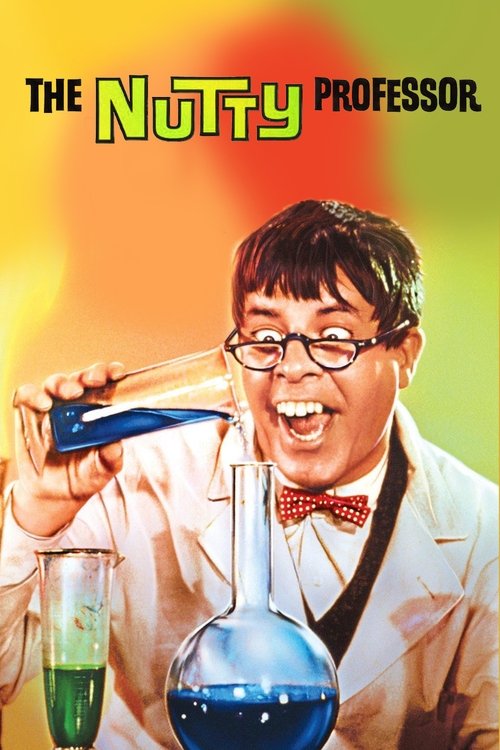
An ugly, misshapen podiatrist ingests a formula made by a colleague and turns into a handsome, devil-may-care (but violent) ladies' man.
2002
1963

1983
1963
1994
1935

1987

2001
No reviews yet. Be the first to share your thoughts on this movie!
Use the rating form above to leave a star rating and optional review.