
Freaky
2020
No user ratings available yet
Representation score: 6.8 out of 10
Representation Score
Good
2018
TV-MADirector
Assaf Bernstein
Runtime
103 minutes
Average Rating
No ratings yetNew Showbiz Analysis
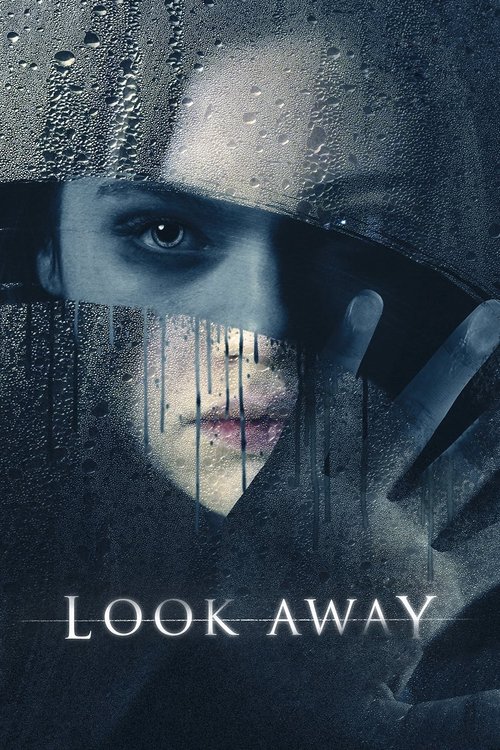
Look Away succeeds in subverting gendered expectations by focusing on the predatory psychological landscape of female competition. It moves beyond simple clichés to explore the darker side of ambition and the breakdown of the maternal bond. However, the film remains limited by a lack of diverse representation. The setting feels culturally homogenous, reinforcing Eurocentric standards of excellence while offering almost no representation for LGBTQ+ identities. While the film uses psychological fracture to drive its horror, it treats mental instability primarily as a narrative device rather than a nuanced exploration of neurodivergent ability to act.
Category Breakdown
The film centers on the protagonist's internal struggle and her relationship with her mother, without featuring significant queer identities or narratives that question the assumption that everyone is straight or cisgender.
The narrative challenges traditional feminine archetypes by examining aggressive female ambition and the breakdown of maternal bonds. It moves beyond nurturing clichés to explore the darker aspects of female competition.
The setting of an elite conservatory is depicted with relative homogeneity. The film reinforces a Eurocentric standard of classical excellence without showcasing significant racial diversity within its central power structures.
The story critiques Western institutional excellence and the corrosive nature of high-status achievement. It challenges the stability of traditional social pillars through its portrayal of dysfunctional familial bonds.
The film explores psychological instability and social alienation as central plot drivers. However, these elements serve more as tools for horror tension than as depictions of individuals with neurodivergent conditions taking control of their lives.
Present on Screen
Limited or Absent
Official Synopsis
A timid and socially alienated 17-year-old high school student's life is turned upside down when she switches places with her sinister mirror image.
2020

2018
2013

2022

2017

2017

2022
2007
No reviews yet. Be the first to share your thoughts on this movie!
Use the rating form above to leave a star rating and optional review.