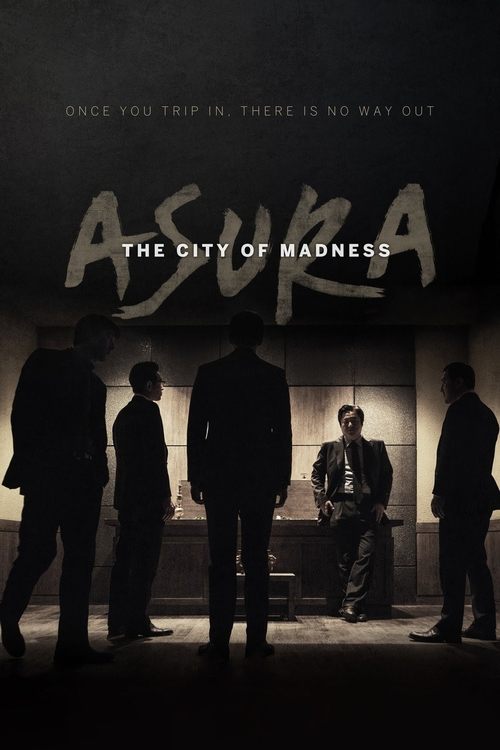
Asura: The City of Madness
2016
No user ratings available yet
Representation score: 4.0 out of 10

Representation Score
Fair
2010
Not RatedDirector
Ryoo Seung-wan
Runtime
119 minutes
Average Rating
No ratings yetNew Showbiz Analysis
The film functions as a gritty crime noir that prioritizes systemic critique over demographic diversity. While it lacks representation for LGBTQ+ individuals, women, or people with disabilities, it excels in its cultural deconstruction of institutional power. Its strength lies in its sophisticated engagement with the corruption within South Korean political and legal structures. By portraying the state as a tool for the elite, the film achieves a high level of progressive value through its skepticism of authority. Ultimately, the work trades traditional demographic diversity for a deep, cynical exploration of moral relativism and institutional corruption.
Category Breakdown
The film does not include any LGBTQ+ characters or non-cisgender identities. It focuses on the rigid hierarchies of a masculine underworld.
The story is driven almost entirely by male characters navigating power dynamics. Female characters are secondary figures without significant control over their own lives.
The cast is predominantly made up of actors from similar backgrounds, reflecting the socio-political context of Seoul. It avoids harmful stereotypes but does not actively challenge ethnic norms.
The film critiques the intersection between capitalism and state authority. It portrays legal systems as corrupt mechanisms that protect the wealthy.
There is no significant focus on physical, neurodivergent, or sensory disabilities. Characters are defined by their professional status and moral flexibility.
Present on Screen
Limited or Absent
Official Synopsis
An honest cop has to compromise with his principles when he is told to find a scapegoat for a high-profile serial killer case in exchange for a big promotion.
2016

2012

2000

2001

2007

2008

2024

2008
No reviews yet. Be the first to share your thoughts on this movie!
Use the rating form above to leave a star rating and optional review.