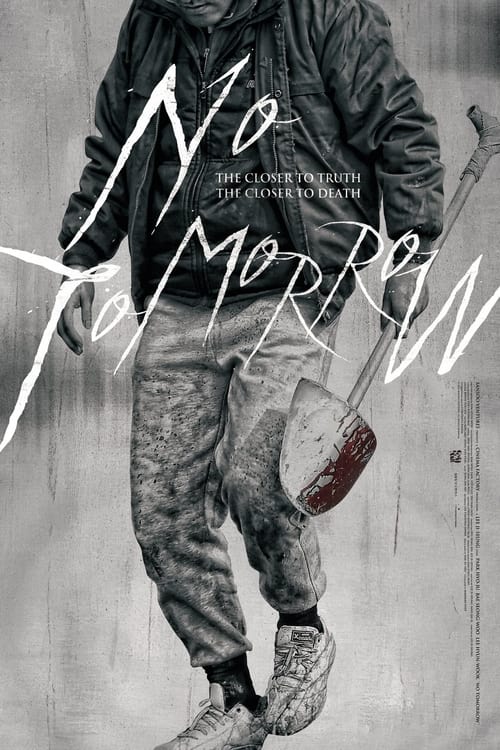
No Tomorrow
2016
No user ratings available yet
Representation score: 6.0 out of 10

Representation Score
Good
2013
Not RatedDirector
Choi Seung-ho
Runtime
100 minutes
Average Rating
No ratings yetNew Showbiz Analysis
The Secret Scandal serves as a strong social critique, using a real-world tragedy to highlight the tension between individual action and institutional dominance. It shifts away from escapism to confront systemic corruption. The film gains credit for its bold criticism of patriarchal power and its focus on the exploitation of women. By focusing on a woman's fight against high-stakes social hierarchies, it challenges the stability of traditional institutions. However, the work lacks broad demographic diversity. There is a noticeable lack of LGBTQ+ identity-focused narratives and multi-ethnic representation, limiting its scope in a global context.
Category Breakdown
The film focuses on power imbalances and exploitation rather than explicitly showing LGBTQ+ identities. It doesn't provide enough evidence of specific LGBTQ+ character roles or stories centered around their identities.
The movie centers on the female experience of being oppressed by a system. It challenges the traditional idea of passive women by showing the main character fighting against male-dominated institutions.
As a South Korean production, the film shows a culturally uniform society. It lacks a mix of ethnicities, reflecting the specific cultural and historical context of the story.
The film strongly critiques traditional capitalist and institutional structures. It breaks down social hierarchies by presenting established power centers as inherently corrupt and predatory.
The story touches on the psychological impact of trauma and mental health issues. However, these elements serve as narrative drivers rather than giving characters with disabilities real roles.
Present on Screen
Limited or Absent
Official Synopsis
A reporter and a prosecutor investigate the death of an actress, and in the process come into conflict with a group of very powerful people. Based on the true story of actress Jang Ja-yeon's suicide.
2016

2011

2023

2010
2007
2016
2012
2018
No reviews yet. Be the first to share your thoughts on this movie!
Use the rating form above to leave a star rating and optional review.