
Heart Blackened
2017
No user ratings available yet
Representation score: 2.4 out of 10
Representation Score
Limited
2013
Director
Lee Ji-seung
Runtime
75 minutes
Average Rating
No ratings yetNew Showbiz Analysis
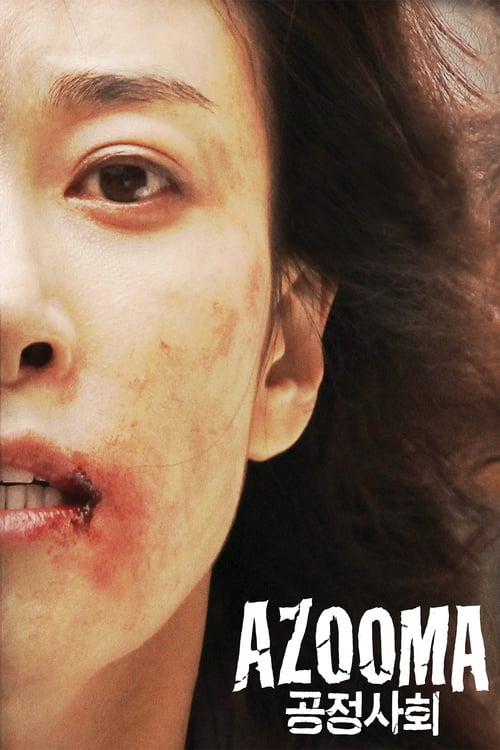
Azooma is a crime thriller that stands out for its critique of institutional failures. By focusing on a mother's response to systemic issues, the film moves away from passive victimhood towards active, individual ability to act. The narrative structure challenges traditional power dynamics, emphasizing the breakdown of trust in law enforcement and favoring personal justice over adherence to societal norms. While the film offers a non-Western perspective, it lacks specific details about multi-layered identities or disability representation. The emphasis remains on the protagonist's struggle against a failing system.
Category Breakdown
The film does not include any representation of LGBTQ+ identities or characters with non-straight or non-cisgender identities.
The story focuses on a mother's active role in driving the plot, challenging the typical portrayal of women in crime thrillers. This shifts the narrative away from passive victimhood to active ability to act.
As a South Korean production, the film presents a non-Western narrative framework. However, there is no specific information about the ethnic makeup of the supporting cast.
The narrative criticizes established institutions by portraying law enforcement as ineffective. It highlights individual empowerment and subjective justice over state-sanctioned laws.
There is no evidence of neurodivergent characters or individuals with physical disabilities in the film.
Present on Screen
Limited or Absent
Official Synopsis
A mother goes to extreme measures against her daughter's attacker after after feeling that the local law enforcement have failed her.
2017

2017
2007
2022
2015
1996
2020

2018
No reviews yet. Be the first to share your thoughts on this movie!
Use the rating form above to leave a star rating and optional review.