
Kino's Journey: Country of Illness -For You-
2007
No user ratings available yet
Representation score: 8.8 out of 10

Representation Score
Fair
2005
Director
Takashi Watanabe
Runtime
29 minutes
Average Rating
No ratings yetNew Showbiz Analysis
The film opens on a barren, rocky desert under a harsh sun, a static void that establishes the setting as a place of emptiness rather than history. This starkness defines the visual argument: a minimalist, melancholic aesthetic where the camera lingers on the landscape and the motorcycle, treating the protagonist as a neutral observer rather than a moral authority. The billed premise is a prequel training arc, but the sold meaning is philosophical detachment. Kino, visually coded as gender-neutral with short, dark hair, is not a warrior or a beauty but a traveler who refuses to be bound by local loyalties. The "joke" is dry and fatalistic, embodied by the Gunpowder Salesman, a gaunt figure who sells weapons to a tribe without guns, knowing they will kill each other. He is given a moment of eerie dignity, suggesting the film respects the transaction of violence as a natural part of the world. The tribe’s conflict is driven by material scarcity and the salesman’s inventory, not by gender or religious dynamics. Kino never pays the price for these observations; while the tribe bleeds, the traveler remains untouched. The last image is Kino and Hermes riding away into the distance, shrinking into the horizon. This departure is the moral verdict: the film rewards movement over settlement and punishes attachment. It is a 2005 seinen short that uses the adventure genre to deliver a philosophical fable, where competence is portable and social bonds are liabilities. The ending does not offer resolution but a question, leaving the viewer to weigh the cost of the traveler’s freedom against the tribe’s destruction.
Category Breakdown
No same-sex intimacy or queer characters appear. The protagonist’s gender-neutral presentation is structural rather than thematic, serving the narrative’s focus on identity over orientation.
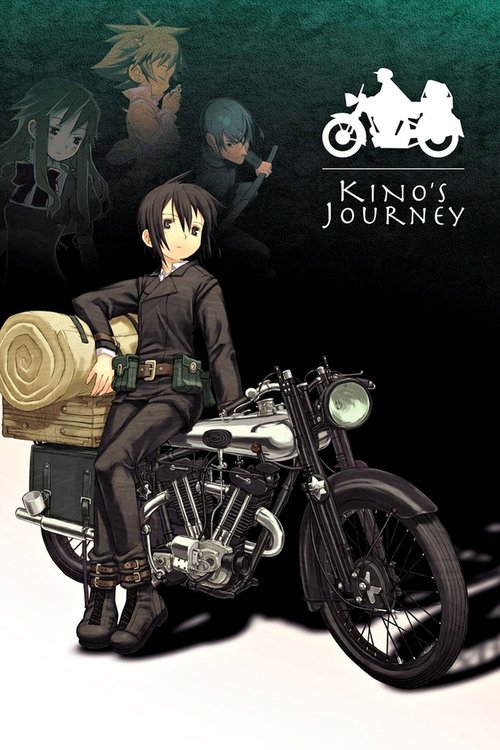
Kino is depicted with short hair and a practical, unadorned appearance, visually coded as gender-neutral or androgynous. The character uses both masculine and feminine pronouns in dialogue, rejecting the "heroine" trope of beauty in favor of functional competence.
The cast consists of animated characters with generic, non-specific ethnic features. No racial dynamics, stereotypes, or diversity are depicted or relevant to the plot.
The film treats settlement and attachment as liabilities, rewarding movement over stability. The Gunpowder Salesman’s transaction highlights the fragility of civilization, framing detachment and individual autonomy as the only sane responses to human folly.
No characters with disabilities appear. The Old Woman is frail but not the moral center; physical impairment is not depicted as a lesson, identity, or obstacle.
Present on Screen
Limited or Absent
Official Synopsis
In this prequel to the Kino no Tabi series, young Kino is being trained by their teacher. They learn how to ride their motorrad Hermes and develops their gift of excellent marksmanship. However, their guilt concerning the real Kino is with them when they decide to set off on a journey. All the while, Kino is becoming confused about their real identity.
2007
1968
2003
1985

2011
2015
2013

2011
No reviews yet. Be the first to share your thoughts on this movie!
Use the rating form above to leave a star rating and optional review.