I piccoli maestri
1998
No user ratings available yet
Representation score: 2.4 out of 10
Representation Score
Fair
2000
Director
Daniele Gaglianone
Runtime
88 minutes
Average Rating
No ratings yetNew Showbiz Analysis
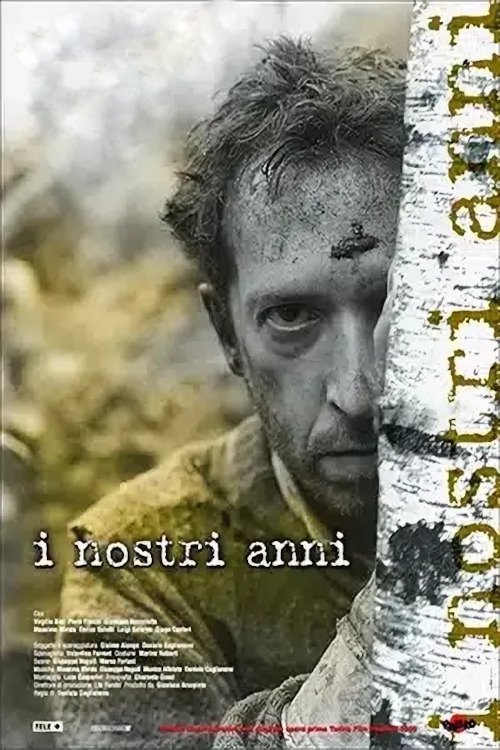
Our Years is a psychological exploration of historical trauma that emphasizes the fragmented nature of memory rather than straightforward historical reenactment. It avoids typical war clichés and instead examines the lingering impacts of fascism and the complexities of post-war reconciliation. While the film offers a sophisticated, nuanced look at historical morality, it lacks diverse representation. The narrative focuses primarily on masculine interactions and traditional historical frameworks. The film’s strength lies in its complex narrative structure, which uses a twisted internal perspective to delve into the emotional scars of the past.
Category Breakdown
The film does not include any explicit LGBTQ+ characters or stories that challenge traditional heterosexual relationships. The plot revolves around historical conflicts between resistance fighters and fascist leaders.
The story focuses on a traditionally masculine conflict between two older men and a former fascist leader. The narrative follows a structure that emphasizes traditional male roles and dynamics.
The film is set in mid-20th century Italy and explores local struggles against fascism and occupation. The story highlights specific ethnic communities within this historical context.
The film challenges conventional ideas of justice by presenting history through a dark, psychological perspective. It questions typical views of heroes and villains in historical narratives.
There is no information available regarding the portrayal of visible or invisible disabilities within the film.
Present on Screen
Limited or Absent
Official Synopsis
The Resistance, an ancient theme. Almost always approached from a realistic, if not documentary, perspective. Yet memory reworks in a fantastic, sometimes sinister, way all kinds of memories, even dramas. It is from this point of view that first-time director Daniele Gaglianone (34) approached the subject, despite his deep historical knowledge of the period (he has been working with the National Archive of the Resistance for years). In an interior, rather than intimate key: two old men meet by chance the fascist hierarch responsible for a terrible massacre, and they do not know whether to forgive or avenge. The past then mixes with the present, up to a third dimension that becomes a real character, in the finale: the decision made by the two will turn out to be unsuccessful and then, in order not to "die," the old men will build a perverse inner game capable of remedying every pain...
1998
1975
2018
2003
2007
1976
2008
2006
No reviews yet. Be the first to share your thoughts on this movie!
Use the rating form above to leave a star rating and optional review.