Mirai Sentai Timeranger vs GoGoFive
2001
No user ratings available yet
Representation score: 3.5 out of 10
Representation Score
Limited
2001
Director
Hirochika Muraishi
Runtime
45 minutes
Average Rating
No ratings yetNew Showbiz Analysis
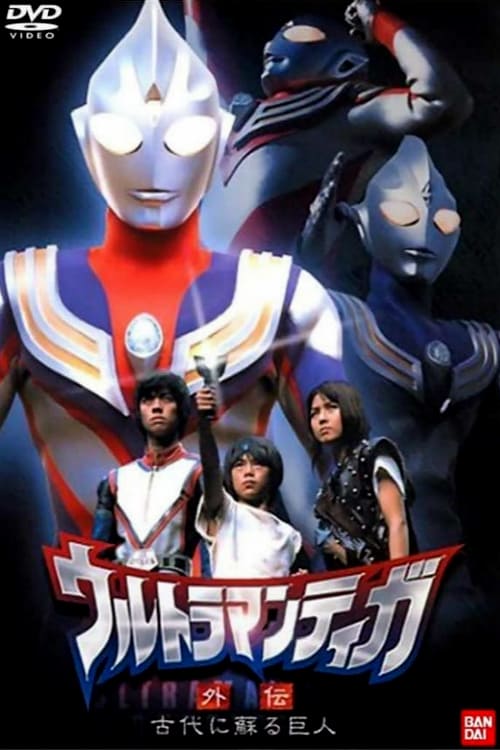
Ultraman Tiga Gaiden functions as a stabilizer for its franchise, prioritizing narrative continuity and established heroic clichés. It adheres to traditional demographic patterns rather than seeking to disrupt social or cultural norms. The film operates within a standard tokusatsu framework, emphasizing the preservation of order and the defense of civilization. This results in a predictable social structure that favors traditional roles and hierarchies. Ultimately, the production lacks intentional exploration of multiple aspects of identity. It focuses on the legacy of a specific lineage and the maintenance of existing institutional values.
Category Breakdown
The film follows a conventional heroic structure centered around the Madoka lineage. There is no evidence of non-traditional gender identities or same-sex relationships, adhering to an assumption that everyone is straight or cisgender.
Women serve as specialists within the Neo Super GUTS team. However, the narrative focus remains on the masculine archetype of the 'Giant' and the male protagonist's legacy, reinforcing traditional gender roles.
As a localized Japanese production, the cast is predominantly homogeneous. The story focuses on a specific cultural lineage without incorporating actors from different backgrounds or diverse racial representation.
Themes center on duty, legacy, and defending civilization. The film reinforces organized societal structures and traditional heroism rather than exploring anti-institutional or culturally diverse sentiments.
Characters are portrayed as able-bodied professionals. There is no prominent depiction of neurodivergence, physical disability, or chronic illness within the narrative.
Present on Screen
Limited or Absent
Official Synopsis
Set many years after the end of the original Ultraman Tiga series, in which Daigo Madoka (human host of Ultraman Tiga) has a son with Rena, named Tsubasa Madoka. Tsubasa is a member of a new team, Neo Super GUTS, the successor to the original Super GUTS.
2001
1993
2008
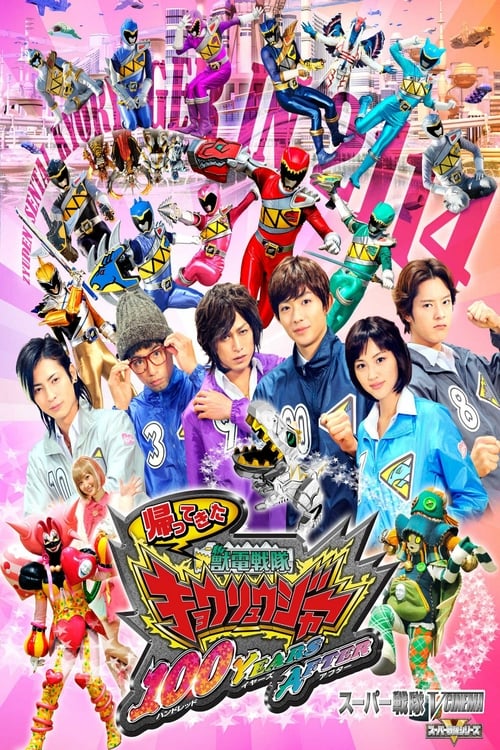
2014
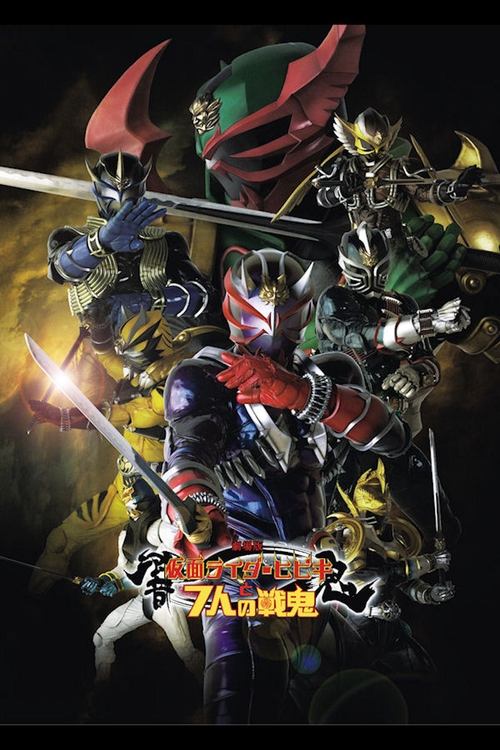
2005
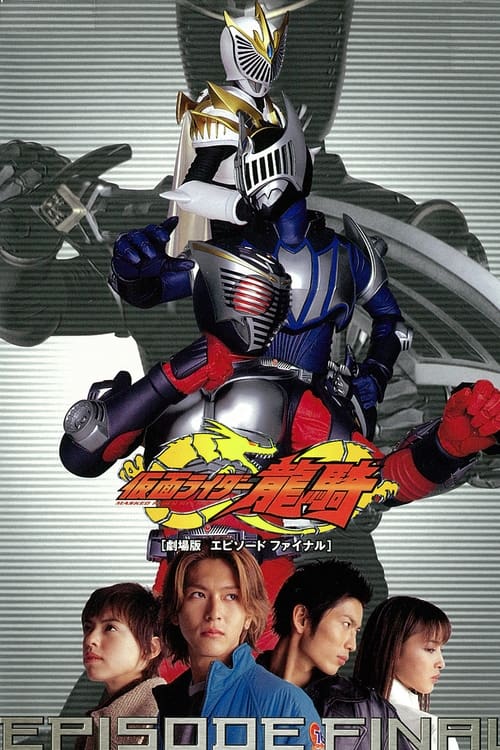
2002
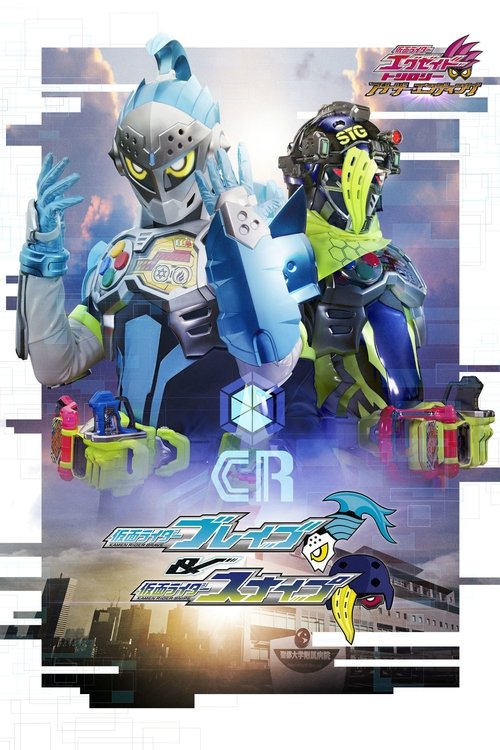
2018
2018
No reviews yet. Be the first to share your thoughts on this movie!
Use the rating form above to leave a star rating and optional review.