
Cool!
2004
No user ratings available yet
Representation score: 4.2 out of 10
Representation Score
Fair
2004
Director
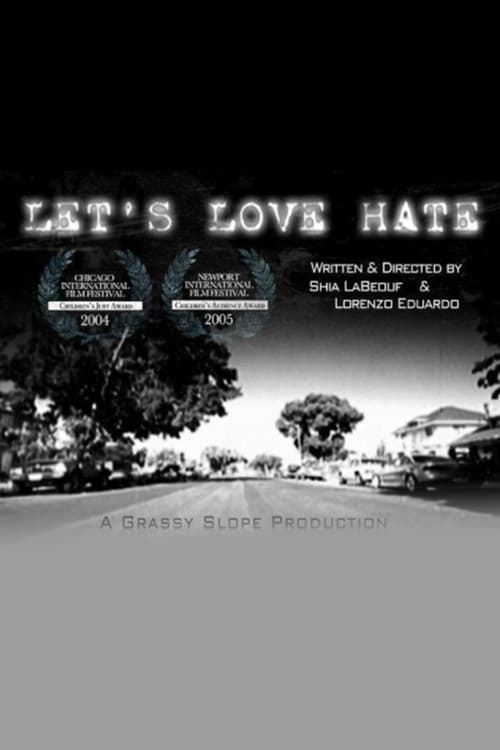
Lorenzo Eduardo, Shia LaBeouf
Runtime
6 minutes
Average Rating
No ratings yetNew Showbiz Analysis
Let's Love Hate functions as a concentrated study of identity and social friction. By centering the plot on neighborhood-based racial tension, the film moves away from homogeneous storytelling to address the complexities of a multi-ethnic social landscape. While the film succeeds in disrupting mainstream norms through its focus on ethnic identity and systemic conflict, it remains limited in its breadth. The narrative appears heavily weighted toward racial and social dynamics, leaving other areas of representation unaddressed. Ultimately, the film's strength lies in its intentionality regarding racial politics, even if it lacks a broader spectrum of diverse character identities.
Category Breakdown
The film does not include explicit evidence of LGBTQ+ characters or non-straight relationships. The narrative focuses on racial tension, which might overshadow any queer-coded subplots.
The crime and drama framework often relies on masculine-coded conflict. There is no immediate evidence of subverted gender hierarchies or the portrayal of non-traditional gender roles.
The narrative is explicitly built around racial tension, necessitating a focus on diverse ethnic identities. This disrupts the homogeneous norms often found in mainstream cinema.
The film engages with themes of systemic friction and social instability. It explores the complexities of community dynamics through a critique of traditional social structures.
There is no information to suggest that disability, neurodivergence, or chronic illness are central to the narrative or character development.
Present on Screen
Limited or Absent
Official Synopsis
Short film about a neighbourhood filled with racial tension.
2004

2019

2021

2017

2017

2003

2011

2006
No reviews yet. Be the first to share your thoughts on this movie!
Use the rating form above to leave a star rating and optional review.