Australia Day
2017
No user ratings available yet
Representation score: 6.8 out of 10
Representation Score
Limited
2017
RDirector
Ziad Doueiri
Runtime
112 minutes
Average Rating
No ratings yetNew Showbiz Analysis
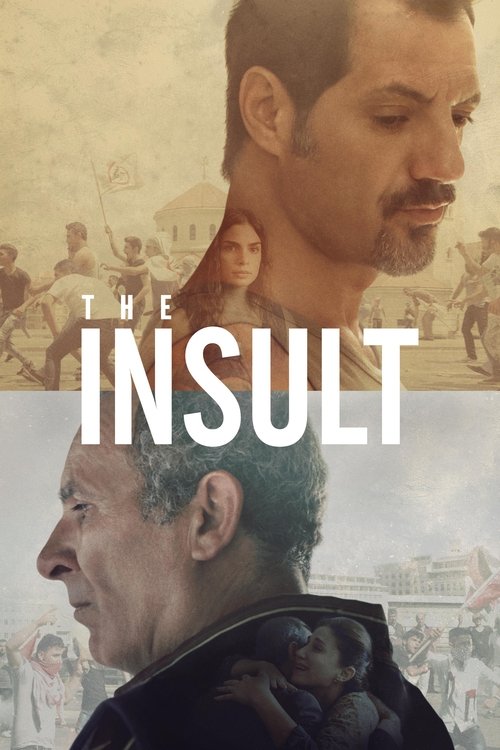
The Insult offers a sophisticated exploration of social fragmentation in post-war Beirut. It deconstructs ethnic and class hierarchies, particularly focusing on the Palestinian diaspora and Lebanese sectarianism. This nuanced approach avoids monolithic representations of Middle Eastern identity. However, the film operates within a heavily patriarchal framework. While women initiate the plot, they remain reactive, and the narrative's momentum is driven by male-centric conflicts of ego and pride. This limits the scope of gender representation. Ultimately, the film prioritizes thematic depth over demographic breadth. It lacks LGBTQ+ and disability representation but provides a profound, non-linear critique of how historical trauma and systemic barriers shape contemporary social friction.
Category Breakdown
The film does not include any LGBTQ+ characters or themes. It focuses solely on religious and nationalist identities.
The narrative emphasizes male protagonists, highlighting masculine pride and ego. Women play a reactive role, triggering the main conflict but lacking central ability to act within a patriarchal framework.
The film highlights the tension between a Lebanese Christian and a Palestinian refugee, providing a significant role in driving the story to the Palestinian experience and diaspora.
The story critiques traditional institutions and sectarian prejudices, presenting truth as a subjective outcome of historical suffering rather than a unified national identity.
There are no depictions of physical or neurodivergent disabilities within the primary narrative arc.
Present on Screen
Limited or Absent
Official Synopsis
After an emotional exchange between a Lebanese Christian and a Palestinian refugee escalates, the men end up in a court case that gets national attention.
2017

2014

2017

2018
2014

2012

2013
2018
No reviews yet. Be the first to share your thoughts on this movie!
Use the rating form above to leave a star rating and optional review.