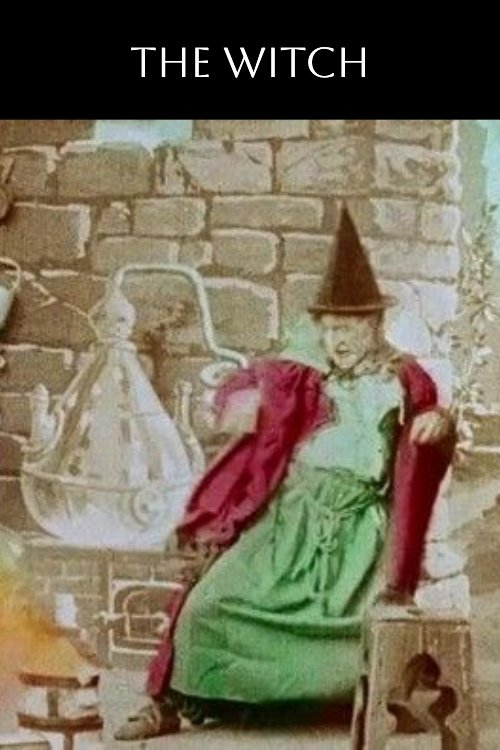
The Witch
1906
No user ratings available yet
Representation score: 1.8 out of 10
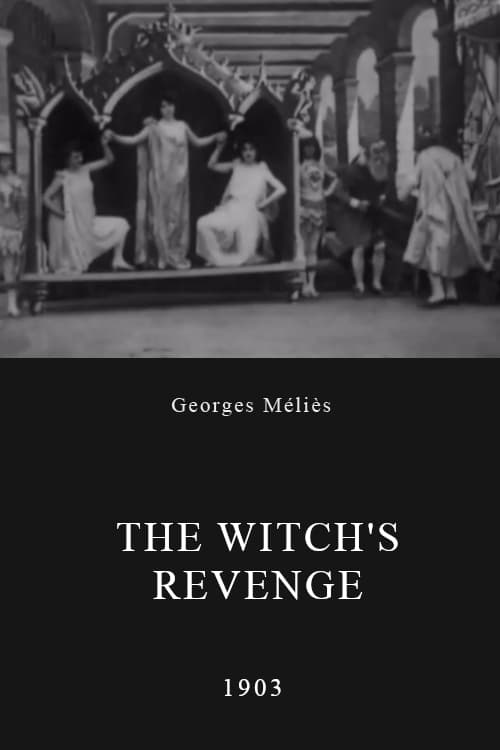
Representation Score
Limited
1903
Director
Georges Méliès
Runtime
3 minutes
Average Rating
No ratings yetNew Showbiz Analysis
Méliès' work functions as a foundational fantasy text that prioritizes the fantastical over social realism. While it lacks modern multi-layered complexity, it introduces early cinematic themes of identity construction and the negotiation of power between an individual and the state. The film's diversity is heavily constrained by its historical context. It lacks intentional representation in racial and identity-based categories, which significantly lowers the overall score. However, the film offers moderate ability to act through the 'outsider' archetype. The sorcerer's ability to disrupt reality through magic provides a subtle subversion of the rigid social structures of the era.
Category Breakdown
The film does not explicitly depict LGBTQ+ identities or relationships outside of heterosexual norms. The plot revolves around the sorcerer creating a female companion for the king using magic.
The sorcerer uses supernatural abilities to challenge biological norms by creating a woman. However, this action ultimately supports a traditional patriarchal hierarchy by fulfilling the king's desires.
The production reflects the homogeneous European standards of 1903 France. There is no indication of racial diversity or non-white casting within the medieval setting.
The narrative explores the tension between institutional authority and unconventional practices such as witchcraft. The king's immediate impulse towards execution highlights a critique of unchecked state power.
There is no information available regarding the depiction of physical, sensory, or neurodivergent disabilities in this work.
Present on Screen
Limited or Absent
Official Synopsis
Two guards bring a sorcerer into the hall of a palace of the time of the Middle Ages. The king who follows them orders the sorcerer to be chained and to be condemned to death for his practice of witchcraft. He begs the king to permit him just one hour of liberty, assuring the king that he will create, thanks to his power, a charming woman, worthy of becoming the king's consort. The king, after a moment of hesitation, agrees.
1906

1973
1907
1920
1900

1899
1903
1899
No reviews yet. Be the first to share your thoughts on this movie!
Use the rating form above to leave a star rating and optional review.