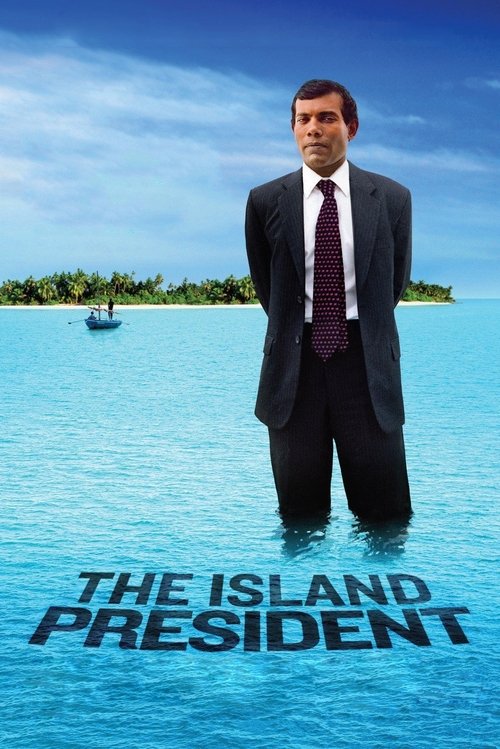
The Island President
2012
No user ratings available yet
Diversity score: 6.3 out of 10
2015
TV-14Director
Ben Patterson
Runtime
89 minutes
Average Rating
No ratings yetSynopsis
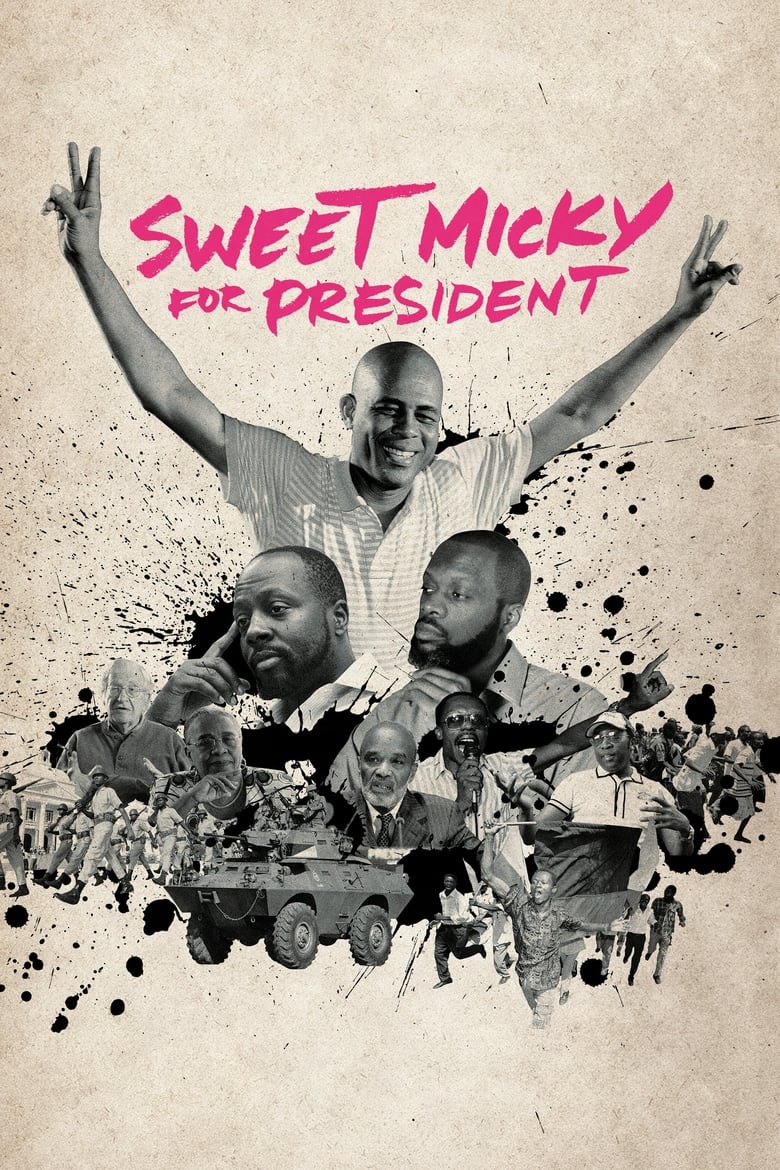
Music and politics collide when international music star, Pras Michel of the Fugees, returns to his homeland of Haiti following the devastating earthquake of 2010 to mobilize a presidential campaign for Haiti's most controversial musician: Michel Martelly aka Sweet Micky. The politically inexperienced pair set out against a corrupted government, civil unrest, and a fixed election. When Pras's former bandmate, superstar Wyclef Jean, also enters the presidential race, their chances seem further doomed. But with the help of a few friends, including Ben Stiller and former president Bill Clinton, they never give up on their honest dream of changing the course of Haiti's future forever
Overall Score
Fair
Category Breakdown
LGBTQ+ Representation
The documentary lacks any discernible narrative focus on non-cisnormative identities. The story centers entirely on the political mobilization of Michel Martelly and his competitors.
Gender Representation
The narrative architecture is heavily centered on male figures of influence. Power dynamics are predominantly masculine, focusing on male leadership and political maneuvering without highlighting female agency.
Racial & Ethnic Diversity
The film provides significant visibility to Haitian political and cultural figures. It centers the agency of Black international icons, disrupting traditional Western-centric gazes on humanitarian crises.
Religious & Cultural Diversity
The documentary explores the complexities of post-colonial governance and systemic corruption. It frames a narrative of resistance against entrenched power structures and fixed elections.
Disability Representation
There is no specific evidence regarding the portrayal of visible or invisible disabilities. The film's focus remains on the political and musical landscape.
Strengths
Areas for Improvement
AI Analysis
Sweet Micky for President offers a compelling look at the intersection of celebrity culture and state governance in Haiti. By centering the narrative on Black international icons like Pras Michel and Wyclef Jean, the film successfully shifts the perspective away from typical Western-centric humanitarian tropes. However, the film's scope is narrow regarding social identity. The power dynamics are almost exclusively masculine, and there is a notable absence of LGBTQ+ representation or significant female political agency within the central conflict. Ultimately, the documentary excels as a study of racial and cultural agency. It provides a robust platform for Haitian voices to navigate their own political reality, even if it lacks breadth in other diversity categories.
2012
2014
2009

2002
2008

2014

2018
2009
2015
2017
2009
2014
No reviews yet. Be the first to share your thoughts on this movie!
Use the rating form above to leave a star rating and optional review.