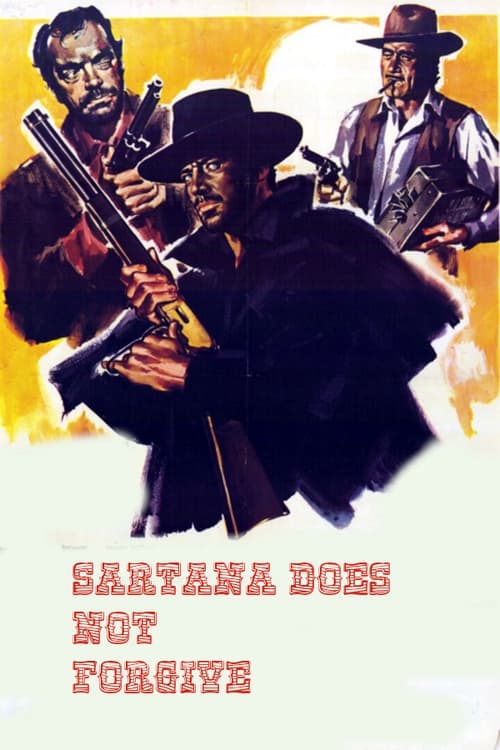
Sartana Does Not Forgive
1968
No user ratings available yet
Representation score: 1.1 out of 10
Representation Score
Limited
1964
Director
Rolf Olsen
Runtime
95 minutes
Average Rating
No ratings yetNew Showbiz Analysis
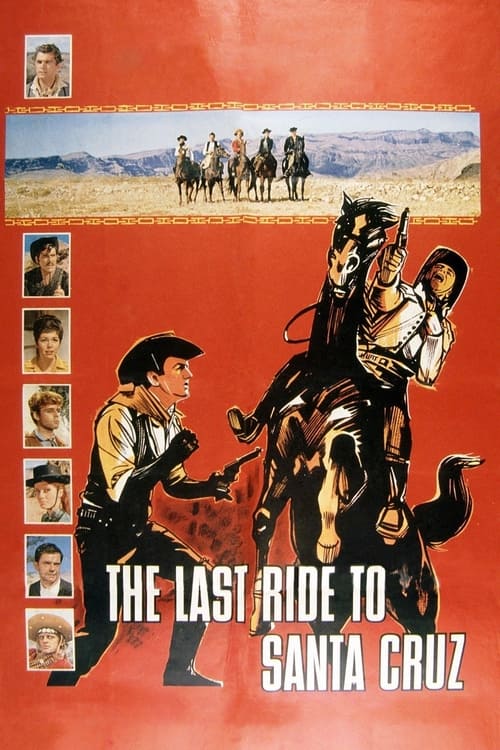
The Last Ride to Santa Cruz is a traditional 1960s Western that emphasizes genre conventions over social diversity. The narrative structure revolves around male-centric conflict, with female characters playing secondary roles that trigger male action. While the film includes Hispanic characters through Pedro Ortiz, these roles seem to fit established Western outlaw archetypes. The film does not intentionally disrupt the social or institutional hierarchies of the time. Overall, the film operates as a commercial genre piece, reinforcing the patriarchal and conventions that assume everyone is straight typical of mid-century filmmaking.
Category Breakdown
The film does not include any LGBTQ+ characters or stories that challenge traditional heterosexual norms. It follows the romantic and social structures typical of 1964 cinema.
The story focuses on male characters as the main drivers and antagonists. Female characters play a minor role, primarily as a catalyst for the male protagonist's journey, reinforcing traditional gender roles.
Pedro Ortiz represents Hispanic heritage, but his role seems to conform to standard Western genre archetypes. The film may rely on these familiar patterns rather than diverse representation.
The narrative adheres to conventional mid-century Western moral frameworks, emphasizing traditional justice and personal retribution over social critique.
There are no characters with physical or neurodivergent disabilities mentioned in the story.
Present on Screen
Limited or Absent
Official Synopsis
A former sheriff begins to persecute the gang led by Pedro Ortiz, after his wife is taken away.
1968
1956
1965
1967
1968
1960
1964
1959
No reviews yet. Be the first to share your thoughts on this movie!
Use the rating form above to leave a star rating and optional review.